USD $
USD $


Dynasty Stomatology
Romanowicza 1/LU3, 30-702 Kraków, Poland
All-on-4
Starting from $3,500
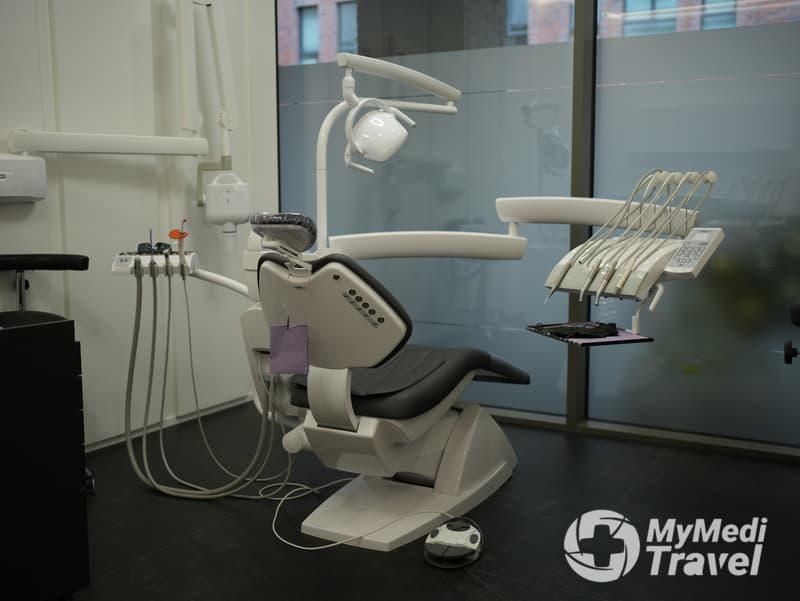
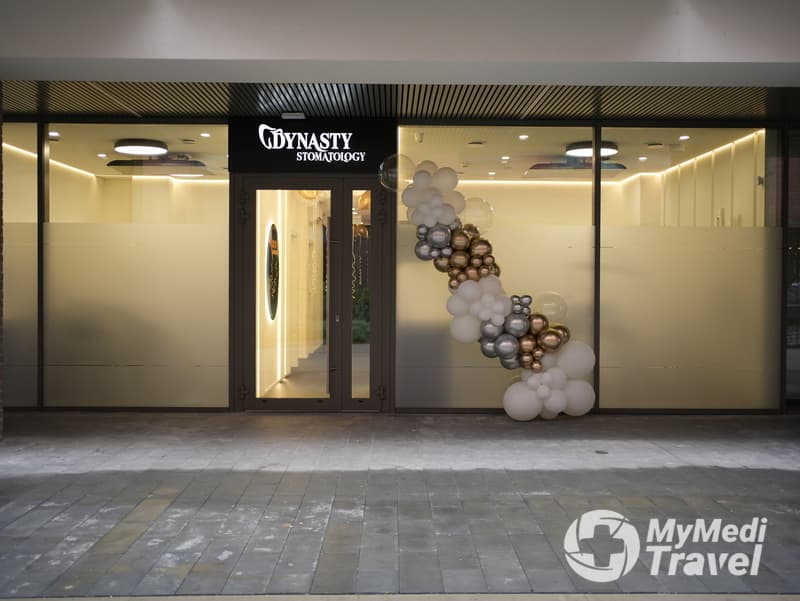
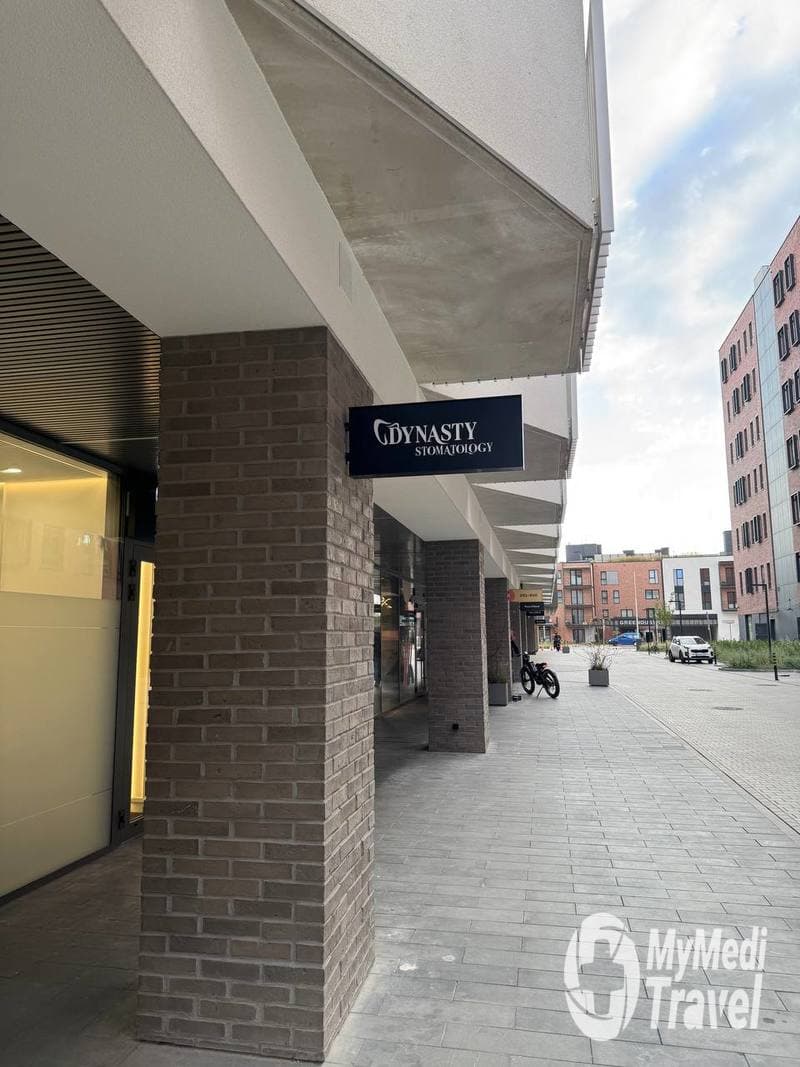
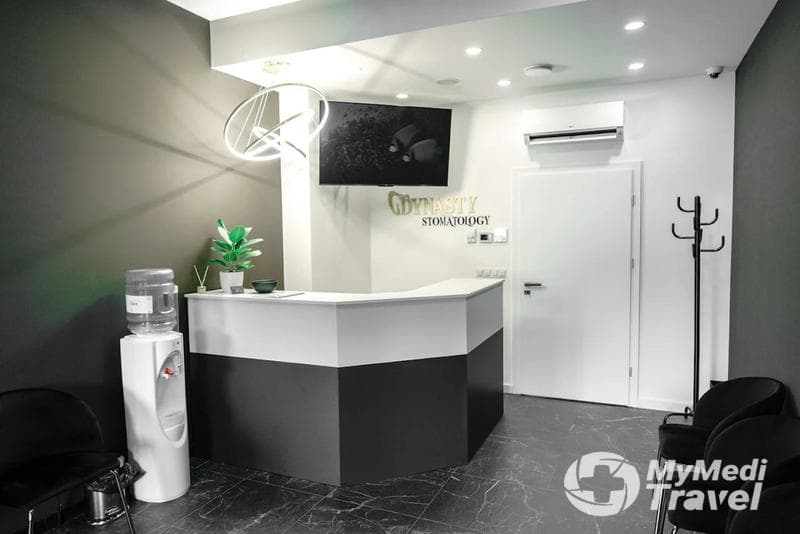
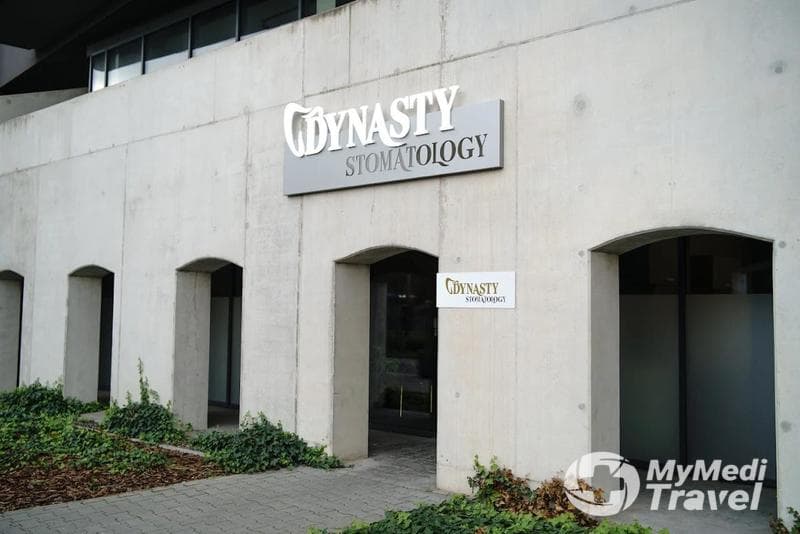

Dynasty Stomatology
Romanowicza 1/LU3, 30-702 Kraków, Poland
Established
2023
Highlights at Dynasty Stomatology
Map View
 Click to explore
-
Reviews
 No Patient Review
 Languages spoken
- English
- Polish
- Russian
- Ukrainian
All-on-4 at Dynasty Stomatology
Facility Services Available at Dynasty Stomatology


WHY US?
At Medijump, we're making medical easy. You can search, compare, discuss, and book your medical all in one place. We open the door to the best medical providers worldwide, saving you time and energy along the way, and it's all for FREE, no hidden fees, and no price markups guaranteed. So what are you waiting for?

Free

Best Price

Widest Selection

Risk-Free
What you need to know about All-on-4 in Krakow
The All-on-4 dental implant treatment is an advanced solution designed to replace a full arch of missing or severely damaged teeth using four strategically placed dental implants. This approach allows a fixed prosthetic arch to be supported efficiently, often reducing the need for additional implants or bone grafting compared to traditional methods. For many patients, All-on-4 can offer a more streamlined treatment process and improved comfort, helping restore function, confidence, and quality of life.
It is important to note that the All-on-4 dental implant treatment typically involves a team of experienced dental specialists. This often includes an oral surgeon responsible for implant placement and a prosthodontist or restorative dentist who designs and fits the prosthetic teeth. Before the procedure, detailed planning and impressions or digital scans are taken to ensure the prosthetic is tailored to the patient’s unique oral anatomy. After the implants are placed, a temporary set of teeth may be attached in suitable cases. The final prosthetic is usually fitted after a healing period of several months, once the implants have fully integrated with the jawbone, resulting in a stable, natural-looking, and functional set of teeth.
What does a All-on-4 Procedure Involve?
The All-on-4 dental implant technique is an advanced approach designed to restore a full arch of missing or severely damaged teeth. This method uses four strategically placed dental implants to support a fixed full-arch prosthetic. By maximizing available bone and implant positioning, All-on-4 may reduce the need for bone grafting in some patients compared to traditional implant methods. Patients considering this treatment should consult with an experienced dental implant specialist to determine suitability.
During the All-on-4, local anesthesia is typically administered, and sedation options may be available depending on the patient and clinic. The surgical placement of the implants is usually completed in one visit. In some cases, a temporary prosthetic may be attached shortly after surgery; however, the final prosthetic is generally placed after a healing period to allow proper integration of the implants with the jawbone. Treatment timelines and outcomes vary based on individual oral health, bone condition, and clinical assessment.
How Long is the Recovery Time?
Post All-on-4, patients can generally expect a recovery period between a few days to a couple of weeks. This margin greatly varies based on individual healing capabilities and how well the post-operative care instructions are followed. During the initial days after the procedure, mild discomfort, minor bleeding, and swelling can be experienced, which is entirely normal. It's recommended to eat soft foods for a few days post-procedure to assist the healing process.
Good oral hygiene habits, such as regular brushing, flossing, and rinsing with an antibacterial mouthwash, are essential to prevent infections and promote healing. Remember, smoking or alcohol consumption can impede the healing process, so it's advised to refrain from such habits during the recovery period.
What's the Success Rate of All-on-4 Procedures in Krakow?
Decades of research and clinical studies have demonstrated impressively high success rates for All-on-4 procedures, average rates often ranging between 94.8% to 98.0% even after a decade post-procedure. These extraordinary outcomes rely significantly on the technique's unique methodology.
Keep in mind that success rates are also influenced by factors such as surgical technique, overall health, bone density, and the aftercare of implants. It is always imperative to engage in extensive discussions with your dentist regarding your individual circumstances before opting for the procedure.
What Should You Expect Before and After the Procedure
Before the All-on-4, patients usually undergo an evaluation which may involve dental X-rays and a thorough dental and medical history check. This helps your dental provider assess your oral health and decide if the All-on-4 is best for you. Before your procedure, you will have a personalized consultation to discuss the treatment plan, and the procedure, and address any questions you may have. The dental provider will discuss necessary preparations, which may include eating a good breakfast and organizing transportation as you will not be able to drive post-procedure due to the anesthesia.
Post-procedure expectations for the All-on-4 include some discomfort, swelling of your gums and face, bruising of your skin and gums, and minor bleeding. However, these side effects should be reduced in a few days following the procedure. You will receive detailed aftercare instructions from your dental provider. This will likely include prescriptions for pain management, a modified diet of soft foods, a recommended oral hygiene routine, and the importance of refraining from certain activities, such as smoking and strenuous physical activity, for a specified amount of time.
This post-operative period is an essential part of the All-on-4 to ensure your mouth heals properly and to support the success of your new dental prosthetic. It's essential to follow the aftercare instructions and notify your provider if you experience severe pain or prolonged discomfort.
Other Dentistry Procedures Available at Dynasty Stomatology
Dental Crown
Veneers
Oral Cyst Treatment
All-on-6
Dental X-Rays
Dental Checkup
Dental CT Scan
Dentistry Consultation
Gnathology Treatment
Tooth Filling
Bruxism Treatment
Pediatric Dentistry
Hygienic Treatment
Teeth Whitening
Wisdom Tooth Extraction
Popular Procedures in Krakow

Doctors at Dynasty Stomatology
-

Rostyslav Savruk
- Dentistry
VIEW DETAILS
-

Tetiana Pererva
- Dentistry
VIEW DETAILS
-

Kostiantyn Danyliuk
- Dentistry
VIEW DETAILS
-

Yuliia Rudzynska
- Dentistry
VIEW DETAILS
-

Vladyslav Karkachov
- Dentistry
VIEW DETAILS