 USD $

Dermatology in South Korea
Find the best clinics for Dermatology in South Korea
With Medijump you can browse 27 clinics offering 10 different types of Dermatology procedures in South Korea.
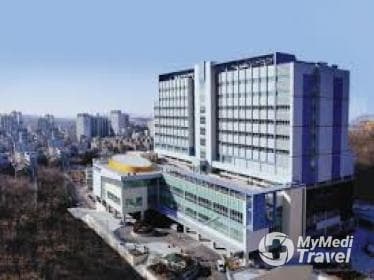
From 4 reviews
JW B., 03 July 2020
Good facilities and competent doctors. All friendly nurses are satisfied. The quality of the university hospital is very different. I look forward to further development as a representative hospital in our region.
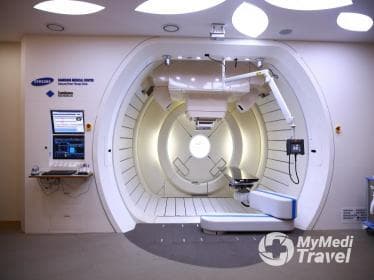
From 4 reviews
귀요미, 27 October 2019
It is a well known hospital. Underground food court restaurants are also delicious. It's always a busy place to go.

From 2 reviews
윤요미, 01 January 2020
Very kind and nice

From 6 reviews
Randy C., 08 December 2020
I am delighted to offer a review for ATOP Plastic Surgery Clinic. From the moment I received my first reply from Leah on my inquiry for council from ATOP until my last follow-up, I have been treated with care and kindness throughout. The professionalism by the entire staff has always been shown and helped ease my concerns of the potential procedure. In addition, since I do not speak Korean and only English, both Leah and Anna who spoke excellent English were always available for accurate translation. After my first conversation with Anna, she explained all the details and answered all my questions quickly and thoroughly. Once Dr. Ahn came in for the consultation he was extremely nice, professional, and helped me understand what the best course of action would be to correct the brow sag that was affecting my peripheral vision. While my sagging brows were affecting my vision, it was also affecting my ability to read without getting extremely tired. Once the procedure was complete, I immediately noticed the difference and was able to read without getting tired and my peripheral vision was greatly improved. Thank you, Dr. Ahn and staff for your professionalism and kindness and I will offer my recommendation to those interested in the ATOP Plastic Surgery Clinic.
From 3 reviews
이정덕, 23 February 2020
The nurse and doctor are very kind.

From 3 reviews
Hyeyoung K., 22 August 2016
Facial treatment center is good
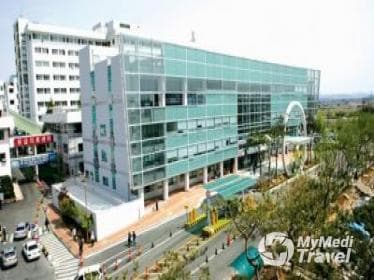
From 2 reviews
송인호, 04 February 2018
Professor of Orthopedic Surgery Dept. My spinal stenosis and disk came with neural tube stenosis and I could not walk, but it got much better. I was able to see the x-ray every day and tell me about the treatment. I hear all the symptoms, and the advice and paperwork are impressive. Even if I have been to many hospitals because of my parents, it is the first time my doctors tell me for 15 to 20 minutes every day. So I seem to be a person. Thank you professors and teachers.

From 4 reviews
최유진, 23 February 2020
If you're a patient, you'll get the best service. If you're a patient caregiver, you'll get the worst service. If you have surgery, do not follow your guardian at all. There is no sign on the operating room floor, so there are areas where caregivers should not enter, so you will notice that you are looking for a stairway location. The elevator is for patients, so there is no place to sit and wait. How can you take a grandmother elevator elevator, what are you doing so ... ㅡ ㅡ Luckily, unlike doctors, nurses are also kind to caregivers.

SEOULEAGUER DERMATOLOGY, located in Dogok dong, Seoul, South Korea offers patients Acne Treatment procedures among its total of 1 available procedures, across 1 different specialties. The cost of a Acne Treatment procedure ranges from ₩75 to ₩180, whilst the national average price is approximately ₩794,391. All procedures and treatments are undertaken by just a small team of specialists, with 2 in total at the Clinic, and they are not accredited by any recognized accreditations institutes
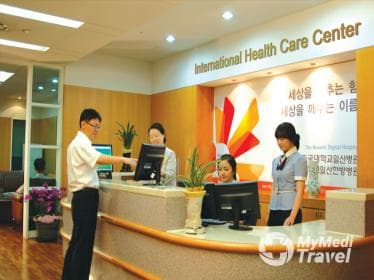
Dongguk University Ilsan Medical Center, located in Siksa dong, Ilsan, South Korea offers patients Acne Treatment procedures among its total of 52 available procedures, across 15 different specialties. The cost of a Acne Treatment procedure ranges from ฿753 to ฿1,223, whilst the national average price is approximately ฿20,023. There is currently a lack of information available on the specialists practicing at the Clinic, and they are not accredited by any recognized accreditations institutes
WHY US?
At Medijump, we're making medical easy. You can search, compare, discuss, and book your medical all in one place. We open the door to the best medical providers worldwide, saving you time and energy along the way, and it's all for FREE, no hidden fees, and no price markups guaranteed. So what are you waiting for?

Free

Best Price

Widest Selection

Risk-Free
Dermatology is a branch of medicine that focuses on health issues affecting the skin, nails, hair, and mucous membrane. It is a specialty with both surgical and medical aspects. A dermatologist can address cosmetic issues, which can help to rejuvenate the appearance of the skin, nails, and hair. Being a dermatologist requires a great depth of clinical knowledge, including the variety of internal health problems that may cause skin symptoms. Dermatologists can treat over 3,000 conditions. Some of the most common are acne, dermatitis and eczema, hair loss, nail problems, fungal infections, warts, vitiligo, and skin cancer.
Dermatology has a number of departments and specialties, including:
- Cosmetic Dermatology – dermatologists have been the leaders in cosmetic surgery. Many dermatologists are trained on the use of fillers, botulinum toxin, and laser surgery. Some dermatologists also perform blepharoplasty, liposuction, and facelifts. However, most dermatologists limit their cosmetic practice to minimally invasive procedures.
- Dermatopathology – this field is a joint specialty of dermatology and pathology. It focuses on the study of cutaneous diseases at molecular and microscopic levels. Dermatopathology can make a definitive diagnosis of various skin diseases, including melanoma.
- Trichology – this is the study of the hair and the scalp. This field of dermatology deals with diseases such as hair loss, scalp changes, hypertrichosis, and hair abnormalities.
- Immunodermatology – this filed specializes in immune-mediated skin diseases, such as bullous pemphigoid and lupus.
- Pediatric Dermatology – pediatric dermatologist specializes in the diagnosis and treatment of skin diseases in children, which include newborns and infants.
What does the Procedure Involve?
A range of medical and cosmetic procedures are used to manage issues affecting the skin, nails, and hair. Many skin conditions can be treated by medications and noninvasive procedures, while others may require more invasive approaches. The following are several dermatologic procedures:
- Cosmetic injections – cosmetic injections can temporarily address scarring, wrinkles, and reduced facial fullness. A dermatologist can inject botulinum toxic (Botox) or fillers, such as fat and collagen. The results may last for a few months before you need another injection.
- Chemical peels – this procedure is used to treat some types of acne, as well as sun-damaged skin. It can also treat other cosmetic complaints, such as lines under the eyes and age spots. During chemical peels, a chemical solution is applied to the skin. This chemical solution causes a layer of skin to peel off, revealing regenerated skin beneath it that is typically a lot smoother.
- Dermabrasion – this type of procedure uses a high-speed rotating brush to remove the top layer of the skin, which can help reduce the appearance of fine wrinkles and tattoos, scar tissue, and potentially precancerous areas of the skin.
- Cryotherapy – cryotherapy involves freezing skin lesions, usually with liquid nitrogen, to destroy the affected cells. It can be a quick treatment for a number of benign skin issues, such as warts.
- Hair removal or restoration – various methods can be used to address hair loss, such as hair transplants. On the other hand, dermatologists can use lasers to remove unwanted hair from the body.
- Excision of lesions – skin lesions may be cut away to prevent a disease from spreading, to improve symptoms, for cosmetic reasons, or to prevent reoccurring infection. Excision of lesions may be done under a local or general anesthetic.
- Laser surgery –can be used to treat a number of cosmetic problems or skin issues, such as warts, tumors, moles, scars, birthmarks, wrinkles, and unwanted tattoos.
- Tumescent liposuction – this procedure is used by dermatologists to remove fat. Large volumes of local anesthetic are injected into fatty tissue, then it is sucked from the body. Note that tumescent liposuction is performed to contour the body, not to treat obesity.
- Vein procedures – people with superficial leg veins, called spider veins, may want them removed. Several procedures can be done to remove them, but sclerotherapy is the most popular treatment. It involves injecting a special solution or a foam into the vein. The special solution and foam irritate the lining, causing the vein to become less noticeable or, in some cases, disappear completely.
- Skin grafts and flaps – missing skin can be restored using skin from other areas on the body. Dermatologists can also repair skin loss by making a flap of skin from a nearby area of the body. The flap of skin is then used to cover the damaged patch.
- Biopsies – a skin biopsy is usually needed to diagnose or rule out certain conditions.
- Mohs surgery – this procedure is a treatment for skin cancer. It involves removing layers of skin in order to get rid of cancerous cells. The removed skin layers are then examined under a microscope. Then, successive layers are removed until there are no more cancerous cells found in the skin.
- PUVA – Psoralen combined with ultraviolet radiation (PUVA) is a procedure to treat several skin diseases, such as vitiligo, dermatitis, and psoriasis. Psoralen is a drug that can make the skin more sensitive to radiation treatment.
How Long Should I Stay in South Korea?
Depending on the type of procedure you have, you may be able to leave the hospital on the same day or stay for several days. For noninvasive treatments, such as chemical peels and cosmetic injections, you should be able to leave the hospital on the same day and fly home within a couple of days. For invasive procedures, particularly to treat serious medical conditions, such as cancer, you may need to stay in the hospital for several days, and stay in South Korea for at least 10 to 14 days. Your surgeon and/or medical travel team will advise you on this matter.
What's the Recovery Time?
Recovery time will vary depending on the type of procedure you have, the reason why you have the procedure in the first place, and your general health. Your dermatologist will usually give you a detailed recovery timeline for each procedure. In general, recovery time for nonsurgical procedures is typically short and you should be able to resume your normal routine within a few days. For surgical procedures, it may take several weeks until you are allowed to return to your full daily activities.
What About Aftercare?
Your dermatologist will give you a set of instructions to care for yourself during the recovery period. The instructions will be different for each type of procedures, but they may include a diet plan, light exercises to follow, how to care for your surgical wounds or affected area, activities you can or cannot do, signs of complications to be aware of, and medication to take. It is important that you follow your dermatologist’s instructions closely in order to avoid complications and to obtain the best possible results.
Some cosmetic procedures may not be permanent, such as dermal fillers and Botox, so you will need to have regular treatments in order to maintain the results. For skin cancer treatment, you may need to attend follow-up checkups to ensure that cancer has not come back.
What's the Success Rate?
Experienced and skilled dermatologists will be able to deliver a high success rate and satisfactory results. However, every type of procedure carries some risk, which may include infection, swelling, bleeding, adverse reaction to anesthesia, and unsatisfactory results.
Are there Alternatives to Dermatology?
If you have any problems with your skin, going to a dermatologist is the only way to treat it. However, if the skin problem is caused by an underlying condition, your doctor or dermatologist will recommend you to see relevant doctors to treat it.
What Should You Expect Before and After the Procedure?
Before seeing a dermatologist, you may have a problem with your skin. You may not like the wrinkles on your face, or you may have a lesion that needs to be removed. After receiving treatment from a dermatologist, your skin problems should be addressed. You may be able to achieve your dream appearance, any disease you had before may be treated.
Whilst the information presented here has been accurately sourced and verified by a medical professional for its accuracy, it is still advised to consult with your doctor before pursuing a medical treatment at one of the listed medical providers
No Time?
Tell us what you're looking for and we'll reachout to the top clinics all at once
Enquire Now

Popular Procedures in South Korea
Prices Start From $28

Prices Start From $50
Prices Start From $8
Prices Start From $9
Recommended Medical Centers in South Korea for Dermatology

- Interpreter services
- Translation service
- Religious facilities
- Medical records transfer
- Medical travel insurance
- Health insurance coordination
- TV in the room
- Safe in the room
- Phone in the room
- Private rooms for patients available

- Interpreter services
- Translation service
- Religious facilities
- Medical records transfer
- Medical travel insurance
- Health insurance coordination
- TV in the room
- Safe in the room
- Phone in the room
- Private rooms for patients available

- Interpreter services
- Translation service
- Religious facilities
- Medical records transfer
- Medical travel insurance
- Health insurance coordination
- TV in the room
- Safe in the room
- Phone in the room
- Private rooms for patients available

- Interpreter services
- Translation service
- Religious facilities
- Medical records transfer
- Medical travel insurance
- Health insurance coordination
- TV in the room
- Safe in the room
- Phone in the room
- Private rooms for patients available

- Interpreter services
- Translation service
- Religious facilities
- Medical records transfer
- Medical travel insurance
- Health insurance coordination
- TV in the room
- Safe in the room
- Phone in the room
- Private rooms for patients available

- Interpreter services
- Translation service
- Religious facilities
- Medical records transfer
- Medical travel insurance
- Health insurance coordination
- TV in the room
- Safe in the room
- Phone in the room
- Private rooms for patients available

- Interpreter services
- Translation service
- Religious facilities
- Medical records transfer
- Medical travel insurance
- Health insurance coordination
- TV in the room
- Safe in the room
- Phone in the room
- Private rooms for patients available

- Interpreter services
- Translation service
- Religious facilities
- Medical records transfer
- Medical travel insurance
- Health insurance coordination
- TV in the room
- Safe in the room
- Phone in the room
- Private rooms for patients available

- Interpreter services
- Translation service
- Religious facilities
- Medical records transfer
- Medical travel insurance
- Health insurance coordination
- TV in the room
- Safe in the room
- Phone in the room
- Private rooms for patients available

- Interpreter services
- Translation service
- Religious facilities
- Medical records transfer
- Medical travel insurance
- Health insurance coordination
- TV in the room
- Safe in the room
- Phone in the room
- Private rooms for patients available