 USD $
USD $

Diagnostic Imaging in South Korea
Find the best clinics for Diagnostic Imaging in South Korea
With Medijump you can browse 20 facilities offering 62 different types of Diagnostic Imaging procedures in South Korea.
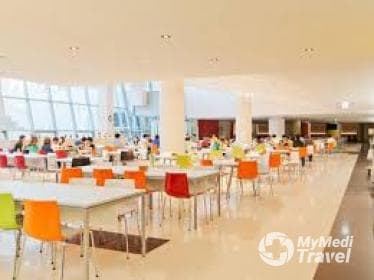
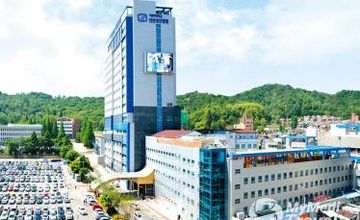
Gachon University Gil Medical Center, located in Bupyeong dong, Incheon, South Korea offers patients PET Scan (Positron Emission Tomography) procedures among its total of 57 available procedures, across 16 different specialties. The cost of a PET Scan (Positron Emission Tomography) procedure ranges from $1,056 to $1,997, whilst the national average price is approximately $1,102. There is currently a lack of information available on the specialists practicing at the Clinic, and they are not accredited by any recognized accreditations institutes
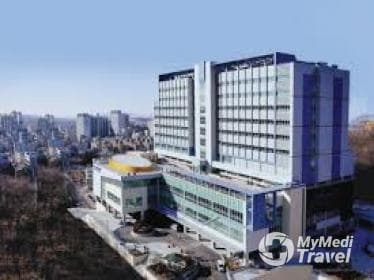
From 4 verified reviews
JW B, 03 July 2020
Good facilities and competent doctors. All friendly nurses are satisfied. The quality of the university hospital is very different. I look forward to further development as a representative hospital in our region.
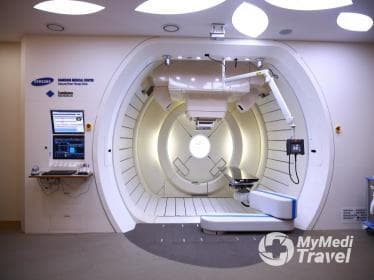
From 4 verified reviews
귀요미, 27 October 2019
It is a well known hospital. Underground food court restaurants are also delicious. It's always a busy place to go.
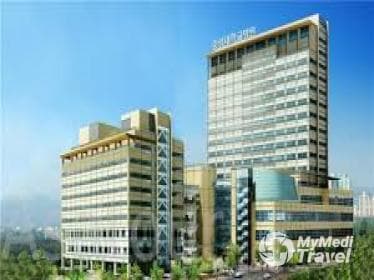
From 2 verified reviews
윤요미, 01 January 2020
Very kind and nice

From 1 verified reviews
HARRY CHO, 16 March 2019
This hospital is wonderful hospital! Staffs are kind. Doctors are proficient! Price is reasonable!
From 1 verified reviews
Richard Jentoft, 10 September 2017
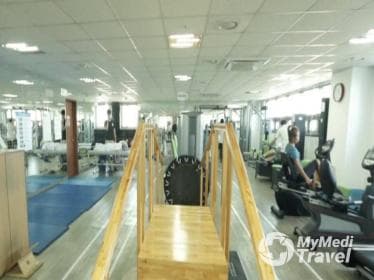
I am an American living in Seoul. I had shoulder surgery and follow up physical therapy at Nanoori from Feb - Jun 2015. The medical care is fast and efficient. At first visit I had evaluation, x-ray, MRI, care plan and scheduled future surgery within 3 hours of arriving. Surgery was successful. Hospital stay was enjoyable. Follow up visits always had very little waiting. Staff and physicians are always friendly and helpful. I will use this hospital again if the need arises.

From 15 verified reviews
yully, 22 November 2019
It was good to have a consultation with the director who specializes in surgery surgery. The results are also satisfactory!
From 53 verified reviews
HANSOL HWANG, 20 September 2020
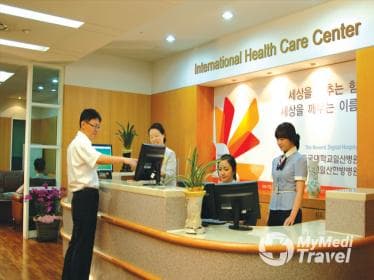
처음가본 동국대! 역사가 느껴집니다?
From 3 verified reviews
이정덕, 23 February 2020
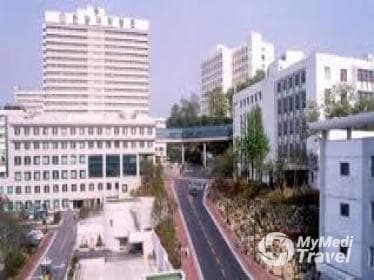
The nurse and doctor are very kind.

From 2 verified reviews
KiJin, 12 March 2020
Thank you sermon. Thanks to this, I have a precious first child. Please continue to work for the patient.
From 18 verified reviews
꿈돌이, 27 February 2020
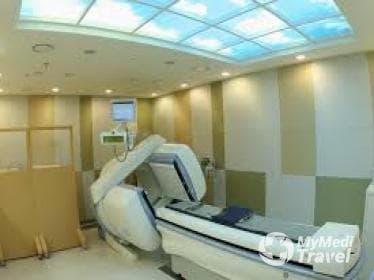
Youth ophthalmology is highly recommended.
From 3 verified reviews
비밀, 27 December 2019
safe hospital. it is a really nice place overall.

From 3 verified reviews
Hyeyoung Kwon, 22 August 2016
Facial treatment center is good
From 2 verified reviews
송인호, 04 February 2018
Professor of Orthopedic Surgery Dept. My spinal stenosis and disk came with neural tube stenosis and I could not walk, but it got much better. I was able to see the x-ray every day and tell me about the treatment. I hear all the symptoms, and the advice and paperwork are impressive. Even if I have been to many hospitals because of my parents, it is the first time my doctors tell me for 15 to 20 minutes every day. So I seem to be a person. Thank you professors and teachers.

From 16 verified reviews
Paula Young, 28 November 2019
I booked in the stem cell serum facial after reading good reviews about it. It’s very expensive but it was worth the money. I have super sensitive and very dry skin. After seeing the dermatologist they adapted the facial to my skin so it wouldn’t get irritated from the treatment and focused on adding moisture as part of the treatment. It’s now been 5 days since and my skin is less sensitive, it is super soft and no longer as dry as it used to be and I’ve noticed my fine lines aren’t as bad as it was. I wish I could stay longer in Seoul to do more sessions. I will definitely invest in another session on my next visit!

From 4 verified reviews
최유진, 23 February 2020
If you're a patient, you'll get the best service. If you're a patient caregiver, you'll get the worst service. If you have surgery, do not follow your guardian at all. There is no sign on the operating room floor, so there are areas where caregivers should not enter, so you will notice that you are looking for a stairway location. The elevator is for patients, so there is no place to sit and wait. How can you take a grandmother elevator elevator, what are you doing so ... ㅡ ㅡ Luckily, unlike doctors, nurses are also kind to caregivers.
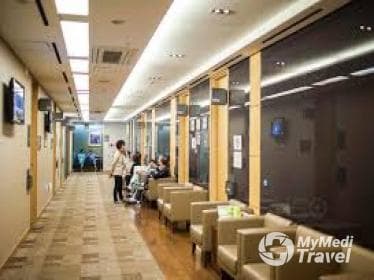
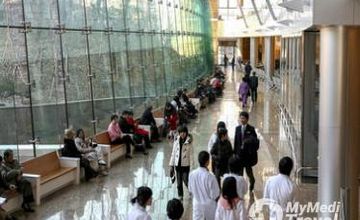
Gangnam Severance Hospital, located in Dogok dong, Seoul, South Korea offers patients Ultrasound Scan procedures among its total of 256 available procedures, across 14 different specialties. Currently, there's no pricing information for Ultrasound Scan procedures at Gangnam Severance Hospital, as all prices are available on request only. There are many specialists available at the Hospital, with 8 in total, and they are accredited by JCI Accredited

Severance Hospital, located in Dogok dong, Seoul, South Korea offers patients PET Scan (Positron Emission Tomography) procedures among its total of 82 available procedures, across 19 different specialties. The cost of a PET Scan (Positron Emission Tomography) procedure ranges from $1,056 to $1,997, whilst the national average price is approximately $1,102. There is currently a lack of information available on the specialists practicing at the Hospital, and they are accredited by JCI Accredited

Dr. Sung's Clinic, located in Dogok dong, Seoul, South Korea offers patients Abdominal Ultrasound procedures among its total of 21 available procedures, across 6 different specialties. Currently, there's no pricing information for Abdominal Ultrasound procedures at Dr. Sung's Clinic, as all prices are available on request only. All procedures and treatments are undertaken by just a small team of specialists, with 2 in total at the Clinic, and they have multiple recognized accreditations, including: IBCS - International Board of Cosmetic SurgeryASRM - American Society for Reproductive Medicine

M Fertility Center, located in Dogok dong, Seoul, South Korea offers patients Pelvic Ultrasound procedures among its total of 9 available procedures, across 5 different specialties. Currently, there's no pricing information for Pelvic Ultrasound procedures at M Fertility Center, as all prices are available on request only. There are many specialists available at the Hospital, with 5 in total, and they are not accredited by any recognized accreditations institutes
WHY US?
At Medijump, we're making medical easy. You can search, compare, discuss, and book your medical all in one place. We open the door to the best medical providers worldwide, saving you time and energy along the way, and it's all for FREE, no hidden fees, and no price markups guaranteed. So what are you waiting for?

Free

Best Price

Widest Selection

Risk-Free
Diagnostic imaging, also known as medical imaging, describes a variety of techniques to look inside the body to diagnose the cause of an injury or illness, as well as to find any signs of a health condition. It is also used to see how well your body responds to treatment for an illness or fracture.
Many diagnostic imaging tests are noninvasive and painless. Some tests use a small amount of radiation exposure. Some require you to remain still inside a machine for a long time, which may cause little discomfort.
Other diagnostic tests involve the insertion of a small camera attached to a thin, long tube (often referred to as a “scope”) into your body. These types of diagnostic tests are invasive and require anesthesia.
Some of the most common types of diagnostic imaging tests are as follows:
- X-ray is among the most well-known diagnostic imaging tests. It generates images that allow your doctor to see if there is any damage or injury to the bones.
- Computed tomography (CT) scan, also known as “cat scan,” is a test that combines a series of X-ray images taken from different angles. It is often used to quickly examine people who could have internal injuries. It can help doctors evaluate the brain, spine, abdomen, chest, and neck.
- Magnetic Resonance Imaging (MRI) uses a powerful magnet to obtain an image of the body instead of radiation. It is most commonly used to examine spinal cord and brain anomalies, joint abnormalities, and tumors.
- Ultrasound, also known as sonography, uses high-frequency waves to create images of the inside of the body. It is most commonly used to examine a fetus during pregnancy. However, it can also be used to examine a wide range of body parts, including the heart, joints, and bladder.
- Mammography is a type of x-ray image of the breast. It can be used to check for early breast cancer signs that cannot be felt through the use of a low-dose x-ray.
- A diagnostic biopsy is the main method doctors use to diagnose most types of cancer. It involves the removal of a piece of tissue or cell sample to be analyzed in a laboratory.
-
Endoscopy, laparoscopy, and colposcopy involve the insertion of a thin, flexible scope with a video camera attached to its end through a passageway or bodily opening to look at the inside of a particular organ, such as the colon or the lungs.
How Long Should I Stay in South Korea?
You can usually leave the hospital straight away after diagnostic imaging tests. However, it is advisable that you stay in South Korea for 5 to 7 days to wait for the results. Once the results are ready, you will have to attend a follow-up appointment where your doctor explains the results and discuss the treatment plan, if needed.
What's the Expected Recovery Time?
Most diagnostic tests, such as ultrasound and CT scan, do not require any recovery time. However, you may need to take one or two days off work and avoid strenuous activities for several days after some types of diagnostic biopsy, endoscopy, laparoscopy, and colposcopy.
What Aftercare is Required?
There is usually no special aftercare or restrictions after diagnostic imaging tests. You may be advised to drink plenty of water immediately after, especially if contrast was used. If the procedure is invasive, your doctor will give you detailed instructions on how to care for the wounds.
What's the Success Rate?
Diagnostic imaging tests have high success and accuracy rates. The continuous improvement and advancement of diagnostic imaging technology have transformed healthcare, allowing for earlier diagnosis of many medical conditions, reduces the need for invasive processes. The side effects of diagnostic imaging tests are very minimal, such as slight discomfort, pain, swelling, and bruising.
Are there Alternatives?
There are no alternatives to diagnostic imaging. It is vital for the diagnosis of medical conditions, allowing your doctor to decide the best treatment or management plan.
Whilst the information presented here has been accurately sourced and verified by a medical professional for its accuracy, it is still advised to consult with your doctor before pursuing a medical treatment at one of the listed medical providers
No Time?
Tell us what you're looking for and we'll reachout to the top clinics all at once
Enquire Now

Popular Procedures in South Korea
Prices Start From $11

Prices Start From $86
Prices Start From $5
Prices Start From $42
Recommended Medical Centers in South Korea for Diagnostic Imaging
- Interpreter services
- Translation service
- Religious facilities
- Medical records transfer
- Medical travel insurance
- Health insurance coordination
- TV in the room
- Safe in the room
- Phone in the room
- Private rooms for patients available
- Interpreter services
- Translation service
- Religious facilities
- Medical records transfer
- Medical travel insurance
- Health insurance coordination
- TV in the room
- Safe in the room
- Phone in the room
- Private rooms for patients available
- Interpreter services
- Translation service
- Religious facilities
- Medical records transfer
- Medical travel insurance
- Health insurance coordination
- TV in the room
- Safe in the room
- Phone in the room
- Private rooms for patients available
- Interpreter services
- Translation service
- Religious facilities
- Medical records transfer
- Medical travel insurance
- Health insurance coordination
- TV in the room
- Safe in the room
- Phone in the room
- Private rooms for patients available
- Interpreter services
- Translation service
- Religious facilities
- Medical records transfer
- Medical travel insurance
- Health insurance coordination
- TV in the room
- Safe in the room
- Phone in the room
- Private rooms for patients available
- Interpreter services
- Translation service
- Religious facilities
- Medical records transfer
- Medical travel insurance
- Health insurance coordination
- TV in the room
- Safe in the room
- Phone in the room
- Private rooms for patients available
- Interpreter services
- Translation service
- Religious facilities
- Medical records transfer
- Medical travel insurance
- Health insurance coordination
- TV in the room
- Safe in the room
- Phone in the room
- Private rooms for patients available

- Interpreter services
- Translation service
- Religious facilities
- Medical records transfer
- Medical travel insurance
- Health insurance coordination
- TV in the room
- Safe in the room
- Phone in the room
- Private rooms for patients available
- Interpreter services
- Translation service
- Religious facilities
- Medical records transfer
- Medical travel insurance
- Health insurance coordination
- TV in the room
- Safe in the room
- Phone in the room
- Private rooms for patients available
- Interpreter services
- Translation service
- Religious facilities
- Medical records transfer
- Medical travel insurance
- Health insurance coordination
- TV in the room
- Safe in the room
- Phone in the room
- Private rooms for patients available