 USD $
USD $

Stroke Consultation in Romania
Search and Compare the Best Clinics and Doctors at the Lowest Prices for Stroke Consultation in Romania



Find the best clinics for Stroke Consultation in Romania
No clinics available
India offers the best prices Worldwide
Price: $ 14

WHY US?
At Medijump, we're making medical easy. You can search, compare, discuss, and book your medical all in one place. We open the door to the best medical providers worldwide, saving you time and energy along the way, and it's all for FREE, no hidden fees, and no price markups guaranteed. So what are you waiting for?

Free

Best Price

Widest Selection

Risk-Free
What you need to know about Stroke Consultation in Romania
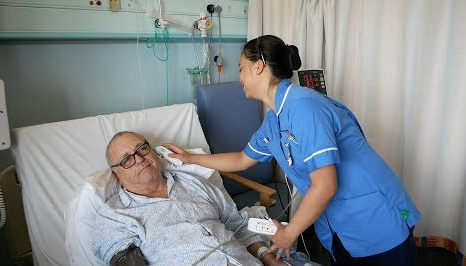
A stroke is a condition that occurs when the blood supply to part of the brain is reduced or interrupted, preventing the brain tissue from getting the nutrients and oxygen they need. When a stroke happens, brain cells can start to die in minutes. When you are having or have had a stroke, you may need stroke consultation. You will usually be referred for a stroke consultation if you have symptoms similar to a stroke or after your stroke is successfully treated. However, since a stroke is an emergency situation, and prompt treatment is crucial, stroke consultation may need to be done quickly to prevent further complications.
-
Stroke consultation can be done for various reasons, including:
-
Evaluating and treating patients with a stroke or suspected transient ischemic attacks (TIAs or mini-strokes).
-
Rapid evaluation and treatment for patients with low-risk of TIA. In some cases, with all necessary investigations carried out on the same day of consultation.
-
Urgent referrals for carotid surgery, if indicated.
-
Follow-up appointments for further investigations of stroke or a review of the long-term impact of stroke.
What does a Stroke Consultation Procedure Involve?
When you arrive at the hospital for your stroke consultation, your doctor will want to rule out other conditions that might cause your symptoms, such as migraine, a heart problem, seizure, or low blood sugar. To do this, your doctor will ask you several questions, including when your symptoms started. Your doctor will also review your medical history, including past hospitalizations and surgery, previous illnesses, medications you took in the past, and medications you are currently taking.
Once your doctor gathers all the information they need, they will check how alert you are and see if you have trouble with coordination and balance. They will also check if you cannot move one side of your face. Then, they will see if you feel weak or numb in any part of your body and see if you have trouble with your speech or vision.
Next, your doctor will do a physical exam, take your blood pressure, and listen to your heart. They will then need to do blood tests and imaging tests to find out the type of stroke you might have had, whether it’s ischemic or hemorrhagic.
The blood tests may include:
-
Complete blood count – checking the level of platelets and measuring the level of electrolyte in your blood.
-
Clotting time – this involves a pair of tests called prothrombin time (PT) and partial thromboplastin (PTT) time to check how quickly your blood clots.
The imaging tests may include:
-
Magnetic resonance imaging (MRI) – powerful magnets and radio waves are used in this test to create detailed pictures of your brain. The pictures created are typically sharper than other imaging tests.
-
Computerized tomography (CT) scan – several X-rays are taken from different angles and then put together to show if there is damage to your brain cells or bleeding.
-
Echocardiogram – This is an imaging test of the heart to look for enlarged parts of the heart or clots in the heart. It is done because in some cases, a clot forms in the heart and travels to the brain.
-
Carotid ultrasound – in this test, sound waves are used to find fatty deposits that may have blocked or narrowed the arteries that carry blood to the brain.
-
Angiograms of the head and neck – during this test, your doctor put’s dye in your blood in order to see your blood vessels through X-rays. This test is used to find aneurysm or blockage.
Once your doctor identifies the type of stroke you are having, they will immediately perform the appropriate treatment. If your symptoms are found to be caused by other illnesses, your doctor will refer you to the relevant specialist.
You will have follow-up appointments 6 and 12 months after your stroke, and then once a year. During these appointments, your doctor will ask you how you are managing and whether you are still making progress towards your goals. Make sure to tell your doctor if you are still having difficulties. You may be referred back to a speech and language therapist if you are still struggling with language or communication. You will also be offered assessment and treatment if you are having problems with your emotions.
How Long Should I Stay in Romania for a Stroke Consultation Procedure?
Since stroke consultation is immediately followed by treatment, you need to stay in the hospital for five to seven days. It is advisable that you stay in Romania for about 14 days for follow-up appointments and the initial recovery period.
What's the Recovery Time for Stroke Consultation Procedures in Romania?
Recovery time after a stroke can be slow and different for each person. The most rapid recovery, following your stroke consultation and immediate treatment, can take three to four months. However, some people continue to recover for one to two years after their stroke.
What sort of Aftercare is Required for Stroke Consultation Procedures in Romania?
After stoke consultation and treatment, you will need rehabilitation, which may begin during your initial hospital stay. You can choose to have rehabilitation at the hospital in Romania where you have your stroke consultation and treatment, or back at home. The goal of rehabilitation is to restore or improve your speech, motor, sensory, or cognitive skills so that you can be as independent as possible.
What's the Success Rate of Stroke Consultation Procedures in Romania?
Stroke consultation is very effective and safe. It has success rates in finding out the type of stroke you have and the type of treatment you need. There is no risk involved in stroke consultation itself. However, the treatment you will receive after consultation does carry some risks.
Are there Alternatives to Stroke Consultation Procedures in Romania?
There is no other alternative to stroke consultation. You need to go seek medical help immediately after symptoms begin. The longer a stroke goes undiagnosed and untreated, the greater the potential for disability and brain damage.
What Should You Expect Before and After the Procedure
Before stroke consultation, you may be experiencing symptoms of stroke, which can be dangerous and cause disabilities. After the consultation, you should get immediate treatment, thus increasing your chance to fully recover.
Whilst the information presented here has been accurately sourced and verified by a medical professional for its accuracy, it is still advised to consult with your doctor before pursuing a medical treatment at one of the listed medical providers
No Time?
Tell us what you're looking for and we'll reachout to the top clinics all at once
Enquire Now

Popular Procedures in Romania
Prices Start From $14
Prices Start From $42
Prices Start From $34,457
Recommended Medical Centers in Romania for procedures similar to Stroke Consultation
- Interpreter services
- Translation service
- Religious facilities
- Medical records transfer
- Medical travel insurance
- Health insurance coordination
- TV in the room
- Safe in the room
- Phone in the room
- Private rooms for patients available

- Interpreter services
- Translation service
- Religious facilities
- Medical records transfer
- Medical travel insurance
- Health insurance coordination
- TV in the room
- Safe in the room
- Phone in the room
- Private rooms for patients available
- Interpreter services
- Translation service
- Religious facilities
- Medical records transfer
- Medical travel insurance
- Health insurance coordination
- TV in the room
- Safe in the room
- Phone in the room
- Private rooms for patients available
- Interpreter services
- Translation service
- Religious facilities
- Medical records transfer
- Medical travel insurance
- Health insurance coordination
- TV in the room
- Safe in the room
- Phone in the room
- Private rooms for patients available
- Interpreter services
- Translation service
- Religious facilities
- Medical records transfer
- Medical travel insurance
- Health insurance coordination
- TV in the room
- Safe in the room
- Phone in the room
- Private rooms for patients available
- Interpreter services
- Translation service
- Religious facilities
- Medical records transfer
- Medical travel insurance
- Health insurance coordination
- TV in the room
- Safe in the room
- Phone in the room
- Private rooms for patients available
- Interpreter services
- Translation service
- Religious facilities
- Medical records transfer
- Medical travel insurance
- Health insurance coordination
- TV in the room
- Safe in the room
- Phone in the room
- Private rooms for patients available
- Interpreter services
- Translation service
- Religious facilities
- Medical records transfer
- Medical travel insurance
- Health insurance coordination
- TV in the room
- Safe in the room
- Phone in the room
- Private rooms for patients available
- Interpreter services
- Translation service
- Religious facilities
- Medical records transfer
- Medical travel insurance
- Health insurance coordination
- TV in the room
- Safe in the room
- Phone in the room
- Private rooms for patients available

- Interpreter services
- Translation service
- Religious facilities
- Medical records transfer
- Medical travel insurance
- Health insurance coordination
- TV in the room
- Safe in the room
- Phone in the room
- Private rooms for patients available