 USD $
USD $

Parkinsons Disease Treatment in Romania
Search and Compare the Best Clinics and Doctors at the Lowest Prices for Parkinsons Disease Treatment in Romania



Find the best clinics for Parkinsons Disease Treatment in Romania
No clinics available
Germany offers the best prices Worldwide
Price: $ 34,457

WHY US?
At Medijump, we're making medical easy. You can search, compare, discuss, and book your medical all in one place. We open the door to the best medical providers worldwide, saving you time and energy along the way, and it's all for FREE, no hidden fees, and no price markups guaranteed. So what are you waiting for?

Free

Best Price

Widest Selection

Risk-Free
What you need to know about Parkinsons Disease Treatment in Romania
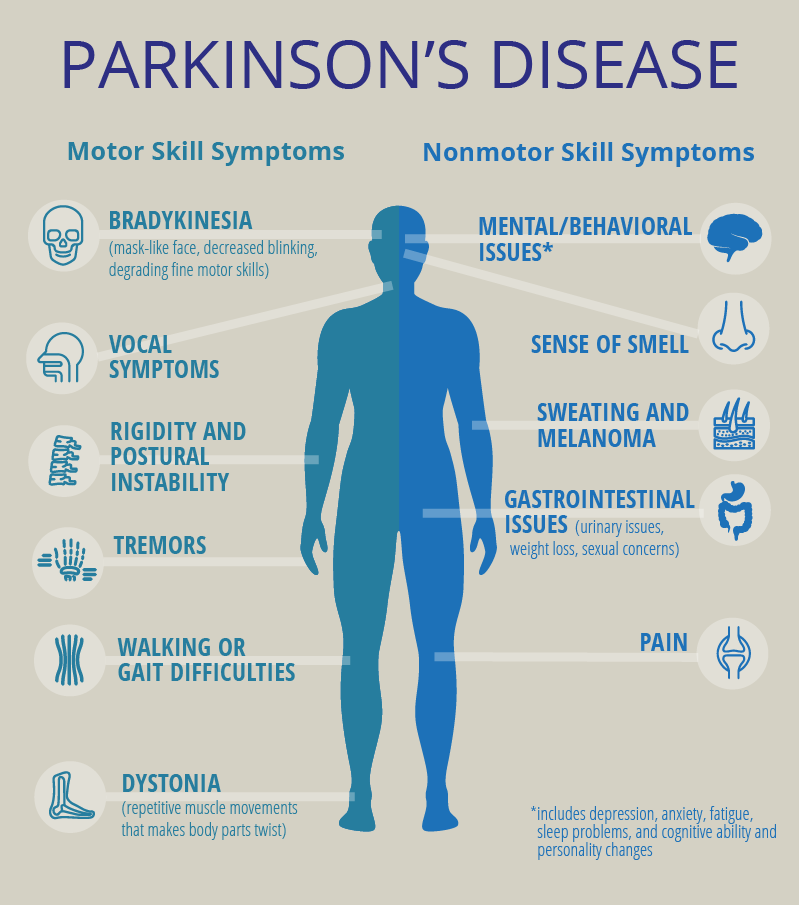
While there is currently no cure for Parkinson’s disease, treatments are available to maintain your quality of life and relieve the symptoms. The treatment option includes medication, therapy, and surgery. Treatment for every person with Parkinson’s disease can be different as it is based on their specific symptoms.
What does the Procedure Involve?
Surgery
There are a few surgical options for Parkinson’s disease. However, the most common surgery is called deep brain stimulation (DBS). This surgery involves surgically implanting electrodes into a specific part of your brain. The electrodes are connected to a generator placed in your chest near the collarbone, which sends electrical pulses to your brain and may ease your symptoms. DBS generally has two parts:
-
Brain surgery – the first part of DBS is brain surgery. During brain surgery, your head will be fitted into a special head frame to keep your head still. Then, magnetic resonance imaging (MRI) is used to map your brain and identify the area where the electrodes will be placed. Then, your surgeon will implant a thin wire lead with a number of electrodes at a specific area of your brain. A wire runs under your skin to a pulse generator, which will be implanted in your chest. Brain surgery will be performed under general anesthesia or local anesthesia (you will be awake but your scalp is numbed). You will not need an anesthetic in your brain as it has no pain receptors.
-
Chest wall surgery – during the second part of DBS, your surgeon implants the pulse generator under the skin in your chest. The generator is programmed to continuously send electrical pulses to your brain. You can control the generator using a special remote control. This part of the surgery is performed under general anesthesia.
Supportive therapy
Several therapies can help you deal with your symptoms and make living with Parkinson’s disease easier. These therapies include:
-
Physiotherapy – a physiotherapist can teach you movements and exercises to relieve joint pain and muscle stiffness. The aim of physiotherapy is to make moving easier, as well as to improve your flexibility and walking. This therapy can also help improve your ability to do things for yourself and improve your fitness level.
-
Speech and language therapy – many people who have Parkinson’s disease experience problems with their speech and swallowing difficulties. Speech and language therapy can help you manage these problems by showing you swallowing and speaking exercises. Sometimes, assistive technology may also be provided in speech and language therapy.
-
Occupational therapy – this type of therapy can help you work out practical solutions to maintain your independence for as long as possible. An occupational therapist can show you new ways to perform your daily activities, such as dressing yourself, and they will ensure that your home is properly set up for you to gain the maximum benefits.
Medication
Medications can significantly improve the main symptoms of Parkinson’s disease, such as movement problems and tremors. The three main types of medications are levodopa, dopamine agonist, and monoamine oxidase-B inhibitors. With medications, you will need to attend regular reviews with your doctor.
How Long Should I Stay in Romania?
The length of stay in Romania can vary, depending on the type of treatment you have. After deep brain stimulation, you may need to stay in the hospital for one to two days. In general, you should plan to stay in the country for 7 to 14 days after DBS and if your doctor gives you medication. For therapy, you may need to stay longer, sometimes even a full month or longer.
What's the Recovery Time?
After DBS, you should be able to return to work and light activities within 2 weeks, but you need to wait 4 to 6 weeks until you can engage in heavier activities. There is typically no exact recovery time for medication and therapy. However, make sure to consult your doctor first.
What About Aftercare?
After surgery, you will be given aftercare instructions by your doctor. The instructions may include restrictions and wound care. You must follow everything your doctor tells you to avoid any complications. You may also need to make some dietary and lifestyle changes.
Follow-up appointments are important for Parkinson’s disease treatment. Therefore, always make sure to be at every appointment.
What's the Success Rate?
Parkinson’s disease treatment is safe and can help manage your symptoms. It also highly successful in improving patients’ quality of life. However, any type of treatment carries some possible risks. For DBS, the risks include infection, brain hemorrhage, or stroke. For medications, the side effects are nausea, lightheadedness, sleepiness, hallucinations, and compulsive behaviors.
Are there Alternatives to Parkinsons Disease Treatment?
There are no alternatives to the treatment mentioned in this article. However, there are some therapies that you can combine with your treatment to improve your quality of life, such as massage, yoga, tai chi, meditation, Alexander technique, and pet therapy.
What Should You Expect Before and After the Procedure
Living with Parkinson’s disease can be difficult. The symptoms of the disease may prevent you from enjoying your life and performing your daily activities that used to be easy. However, after treatment, you should relearn new ways to do things, the symptoms should be eased, and your quality of life should be improved.
Whilst the information presented here has been accurately sourced and verified by a medical professional for its accuracy, it is still advised to consult with your doctor before pursuing a medical treatment at one of the listed medical providers
No Time?
Tell us what you're looking for and we'll reachout to the top clinics all at once
Enquire Now

Popular Procedures in Romania
Prices Start From $14
Prices Start From $42
Prices Start From $14
Recommended Medical Centers in Romania for procedures similar to Parkinsons Disease Treatment
- Interpreter services
- Translation service
- Religious facilities
- Medical records transfer
- Medical travel insurance
- Health insurance coordination
- TV in the room
- Safe in the room
- Phone in the room
- Private rooms for patients available

- Interpreter services
- Translation service
- Religious facilities
- Medical records transfer
- Medical travel insurance
- Health insurance coordination
- TV in the room
- Safe in the room
- Phone in the room
- Private rooms for patients available
- Interpreter services
- Translation service
- Religious facilities
- Medical records transfer
- Medical travel insurance
- Health insurance coordination
- TV in the room
- Safe in the room
- Phone in the room
- Private rooms for patients available
- Interpreter services
- Translation service
- Religious facilities
- Medical records transfer
- Medical travel insurance
- Health insurance coordination
- TV in the room
- Safe in the room
- Phone in the room
- Private rooms for patients available
- Interpreter services
- Translation service
- Religious facilities
- Medical records transfer
- Medical travel insurance
- Health insurance coordination
- TV in the room
- Safe in the room
- Phone in the room
- Private rooms for patients available

- Interpreter services
- Translation service
- Religious facilities
- Medical records transfer
- Medical travel insurance
- Health insurance coordination
- TV in the room
- Safe in the room
- Phone in the room
- Private rooms for patients available
- Interpreter services
- Translation service
- Religious facilities
- Medical records transfer
- Medical travel insurance
- Health insurance coordination
- TV in the room
- Safe in the room
- Phone in the room
- Private rooms for patients available

- Interpreter services
- Translation service
- Religious facilities
- Medical records transfer
- Medical travel insurance
- Health insurance coordination
- TV in the room
- Safe in the room
- Phone in the room
- Private rooms for patients available
- Interpreter services
- Translation service
- Religious facilities
- Medical records transfer
- Medical travel insurance
- Health insurance coordination
- TV in the room
- Safe in the room
- Phone in the room
- Private rooms for patients available

- Interpreter services
- Translation service
- Religious facilities
- Medical records transfer
- Medical travel insurance
- Health insurance coordination
- TV in the room
- Safe in the room
- Phone in the room
- Private rooms for patients available