 USD $
USD $

Epilepsy Treatment in Romania
Search and Compare the Best Clinics and Doctors at the Lowest Prices for Epilepsy Treatment in Romania


Find the best clinics for Epilepsy Treatment in Romania
No clinics available
India offers the best prices Worldwide
Price: $ 14

WHY US?
At Medijump, we're making medical easy. You can search, compare, discuss, and book your medical all in one place. We open the door to the best medical providers worldwide, saving you time and energy along the way, and it's all for FREE, no hidden fees, and no price markups guaranteed. So what are you waiting for?

Free

Best Price

Widest Selection

Risk-Free
What you need to know about Epilepsy Treatment in Romania
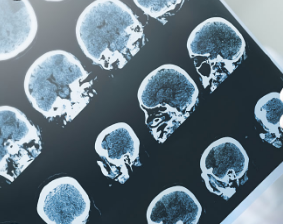
Epilepsy is a chronic neurological disorder where the brain activity becomes abnormal, causing seizures or periods of unusual sensations, behaviors, and in some cases loss of awareness. The treatment plan for epilepsy is based on the severity of symptoms, your general health, your age, and how well you respond to therapy. The treatment options include medication, nerve stimulation, and surgery.
What does a Epilepsy Treatment Procedure Involve?
Your doctor will likely give you seizure medication (anti-epileptic drugs or AEDs) starting with a low dose and slowly add more, the medication works by changing the way your brain cells work and send messages to each other. In some cases, your doctor may perform a procedure called nerve stimulator to help prevent seizures. There are two types of nerve stimulator: vagus nerve stimulation (placing a small device under the skin of your chest and connecting it to the nerve) and responsive neurostimulation (implanting a small gadget under your skull bone). In some cases, surgery may also be performed, which involves removing the part of the brain that causes seizures or cutting the paths between the nerves in the brain that causes seizures.
How Long Should I Stay in Romania for a Epilepsy Treatment Procedure?
The length of stay varies depending on which treatment you underwent. In general, you should stay in Romania for 5 to 14 days. If your doctor gives you AEDs, he will want to see how you respond to the medication. If you undergo nerve stimulator or surgery, you will need to stay longer for initial recovery and follow-up hospital checkups where your doctor monitors your condition and healing progress.
What's the Recovery Time for Epilepsy Treatment Procedures in Romania?
You should rest for 3 weeks after surgery and then gradually increase your activity level. You should be able to return to work in about four to six weeks, but the total recovery period may take as long as three months.
What sort of Aftercare is Required for Epilepsy Treatment Procedures in Romania?
Your doctor will give you detailed instructions about the medicine or post-operative care, which may include diet, restrictions, and exercise. You may need to work with your epilepsy team to meet the goals you set before the surgery. If you are at risk of mood changes after surgery or if you have difficulties with depression and anxiety, it is highly advisable to seek a psychiatrist help to stay emotionally healthy.
What's the Success Rate of Epilepsy Treatment Procedures in Romania?
About 70% (7 out of 10) of people who have epilepsy can fully control their seizures with medication. Nerve stimulators and surgery are known to be effective and safe. However, all of the treatments carry some side effects and risks, such as infection, bleeding, a return of seizure, vision loss, memory loss, allergic reaction to anesthetic, tiredness, weight gain, rashes, clumsiness, mood changes, thinning bones, and weight loss.
Are there Alternatives to Epilepsy Treatment Procedures in Romania?
Your doctor may suggest you try the ketogenic diet, which is a diet high in fats and low in carbohydrates. However, you should not try it yourself. Your doctor and nutritionist will give you advice and instructions on how to do it.
What Should You Expect Before and After the Procedure
After treatment, you may become seizure-free or have better seizure control. You may notice an improvement in learning and work performance. Most people are able to achieve new milestones, such as driving, doing better at school, finding or keeping a job, trying new activities, and making new friends.
Whilst the information presented here has been accurately sourced and verified by a medical professional for its accuracy, it is still advised to consult with your doctor before pursuing a medical treatment at one of the listed medical providers
No Time?
Tell us what you're looking for and we'll reachout to the top clinics all at once
Enquire Now

Popular Procedures in Romania
Prices Start From $42
Prices Start From $34,457
Prices Start From $14
Recommended Medical Centers in Romania for procedures similar to Epilepsy Treatment
- Interpreter services
- Translation service
- Religious facilities
- Medical records transfer
- Medical travel insurance
- Health insurance coordination
- TV in the room
- Safe in the room
- Phone in the room
- Private rooms for patients available

- Interpreter services
- Translation service
- Religious facilities
- Medical records transfer
- Medical travel insurance
- Health insurance coordination
- TV in the room
- Safe in the room
- Phone in the room
- Private rooms for patients available
- Interpreter services
- Translation service
- Religious facilities
- Medical records transfer
- Medical travel insurance
- Health insurance coordination
- TV in the room
- Safe in the room
- Phone in the room
- Private rooms for patients available
- Interpreter services
- Translation service
- Religious facilities
- Medical records transfer
- Medical travel insurance
- Health insurance coordination
- TV in the room
- Safe in the room
- Phone in the room
- Private rooms for patients available
- Interpreter services
- Translation service
- Religious facilities
- Medical records transfer
- Medical travel insurance
- Health insurance coordination
- TV in the room
- Safe in the room
- Phone in the room
- Private rooms for patients available
- Interpreter services
- Translation service
- Religious facilities
- Medical records transfer
- Medical travel insurance
- Health insurance coordination
- TV in the room
- Safe in the room
- Phone in the room
- Private rooms for patients available
- Interpreter services
- Translation service
- Religious facilities
- Medical records transfer
- Medical travel insurance
- Health insurance coordination
- TV in the room
- Safe in the room
- Phone in the room
- Private rooms for patients available
- Interpreter services
- Translation service
- Religious facilities
- Medical records transfer
- Medical travel insurance
- Health insurance coordination
- TV in the room
- Safe in the room
- Phone in the room
- Private rooms for patients available
- Interpreter services
- Translation service
- Religious facilities
- Medical records transfer
- Medical travel insurance
- Health insurance coordination
- TV in the room
- Safe in the room
- Phone in the room
- Private rooms for patients available
- Interpreter services
- Translation service
- Religious facilities
- Medical records transfer
- Medical travel insurance
- Health insurance coordination
- TV in the room
- Safe in the room
- Phone in the room
- Private rooms for patients available