 USD $
USD $

Tonsillectomy in Portugal
Search and Compare the Best Clinics and Doctors at the Lowest Prices for Tonsillectomy in Portugal



Find the best clinics for Tonsillectomy in Portugal
No clinics available
Morocco offers the best prices Worldwide
Price: $ 308

WHY US?
At Medijump, we're making medical easy. You can search, compare, discuss, and book your medical all in one place. We open the door to the best medical providers worldwide, saving you time and energy along the way, and it's all for FREE, no hidden fees, and no price markups guaranteed. So what are you waiting for?

Free

Best Price

Widest Selection

Risk-Free
What you need to know about Tonsillectomy in Portugal
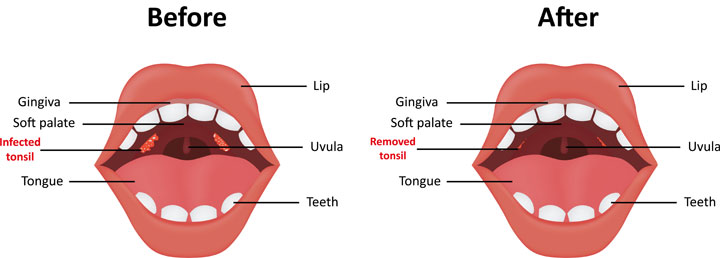
Tonsillectomy is a surgical procedure to remove the tonsils – the two oval-shaped pads of tissue located at the back of the throat. The procedure is usually performed to treat recurring or chronic inflammation and infection of the tonsils (known as tonsillitis), but it can also be done to treat breathing problems related to swollen tonsils, sleep apnea, cancer of the tonsils, bleeding of the tonsils, as well as frequent and loud snoring.
What does a Tonsillectomy Procedure Involve?
Tonsillectomy is performed under general anesthetic, so you will not feel any pain during the surgery. There are two ways to perform a tonsillectomy. The most common way is to use a blade or scalpel to cut out the tonsils. The other way is to use a specialized surgical tool that uses soundwaves, or high-powered energy heat to destroy or remove the tissues and stop any bleeding.
How Long Should I Stay in Portugal for a Tonsillectomy Procedure?
Unless there is a complication that occurs after the surgery, you should be able to leave the hospital on the same day. However, plan to stay in Portugal for about 5 to 10 days for initial recovery and follow-up hospital checkups as your surgeon will monitor the healing progress.
What's the Recovery Time for Tonsillectomy Procedures in Portugal?
The total recovery period can take about two weeks, but most people are able to go back to work or school and resume most of their normal routine within 5-7 days. Avoid any strenuous activities, such as intense exercise and heavy lifting for a few weeks following the surgery to avoid any complications. Your surgeon will give you a detailed recovery timeline for you.
What sort of Aftercare is Required for Tonsillectomy Procedures in Portugal?
Make sure to take pain medications as prescribed by your surgeon and drink plenty of water to avoid dehydration. You may need to avoid hard, crunchy, acidic, or spicy foods for a while, and your surgeon may give you a dietary plan. Talk to your surgeon about any activities that you need to avoid to prevent tonsillitis from recurring.
What's the Success Rate of Tonsillectomy Procedures in Portugal?
Tonsillectomy is generally safe and highly successful. The morbidity rates of the procedure range from 1.5% to 1.4%. However, like other types of surgeries, there are side effects and risks that you should not overlook, including swelling, bleeding during healing, bleeding during surgery, reactions to anesthetics, infection, and sore throat.
Are there Alternatives to Tonsillectomy Procedures in Portugal?
In some cases, tonsillitis that is not severe and only happened once does not need a tonsillectomy. For other conditions, your alternative depends on the disease you used the procedure for. For instance, if you have sleep apnea, your doctor may suggest you undergo nasal surgery, tongue surgery, or bone surgery. If you need to undergo the procedure because of cancer, your doctor may recommend chemotherapy, immunotherapy, and radiation therapy.
What Should You Expect Before and After the Procedure
Having a problem in your tonsils can be uncomfortable, causes painful symptoms, and it can also lead to other dangerous complications. After the procedure, all of your symptoms should be relieved and your risk of dangerous complications is significantly reduced.
Whilst the information presented here has been accurately sourced and verified by a medical professional for its accuracy, it is still advised to consult with your doctor before pursuing a medical treatment at one of the listed medical providers
No Time?
Tell us what you're looking for and we'll reachout to the top clinics all at once
Enquire Now

Popular Procedures in Portugal
Prices Start From $8,031

Prices Start From $404
Prices Start From $18
Recommended Medical Centers in Portugal for procedures similar to Tonsillectomy

- Interpreter services
- Translation service
- Religious facilities
- Medical records transfer
- Medical travel insurance
- Health insurance coordination
- TV in the room
- Safe in the room
- Phone in the room
- Private rooms for patients available

- Interpreter services
- Translation service
- Religious facilities
- Medical records transfer
- Medical travel insurance
- Health insurance coordination
- TV in the room
- Safe in the room
- Phone in the room
- Private rooms for patients available

- Interpreter services
- Translation service
- Religious facilities
- Medical records transfer
- Medical travel insurance
- Health insurance coordination
- TV in the room
- Safe in the room
- Phone in the room
- Private rooms for patients available

- Interpreter services
- Translation service
- Religious facilities
- Medical records transfer
- Medical travel insurance
- Health insurance coordination
- TV in the room
- Safe in the room
- Phone in the room
- Private rooms for patients available

- Interpreter services
- Translation service
- Religious facilities
- Medical records transfer
- Medical travel insurance
- Health insurance coordination
- TV in the room
- Safe in the room
- Phone in the room
- Private rooms for patients available

- Interpreter services
- Translation service
- Religious facilities
- Medical records transfer
- Medical travel insurance
- Health insurance coordination
- TV in the room
- Safe in the room
- Phone in the room
- Private rooms for patients available
- Interpreter services
- Translation service
- Religious facilities
- Medical records transfer
- Medical travel insurance
- Health insurance coordination
- TV in the room
- Safe in the room
- Phone in the room
- Private rooms for patients available

- Interpreter services
- Translation service
- Religious facilities
- Medical records transfer
- Medical travel insurance
- Health insurance coordination
- TV in the room
- Safe in the room
- Phone in the room
- Private rooms for patients available