 USD $
USD $

Sleep Apnea Surgery in Portugal
Search and Compare the Best Clinics and Doctors at the Lowest Prices for Sleep Apnea Surgery in Portugal



Find the best clinics for Sleep Apnea Surgery in Portugal
No clinics available
Egypt offers the best prices Worldwide
Price: $ 18

WHY US?
At Medijump, we're making medical easy. You can search, compare, discuss, and book your medical all in one place. We open the door to the best medical providers worldwide, saving you time and energy along the way, and it's all for FREE, no hidden fees, and no price markups guaranteed. So what are you waiting for?

Free

Best Price

Widest Selection

Risk-Free
What you need to know about Sleep Apnea Surgery in Portugal
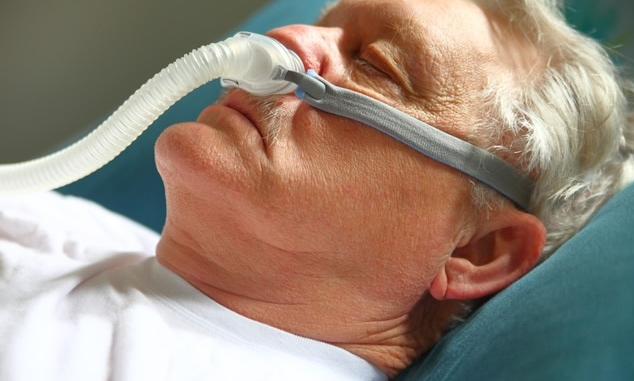
Sleep apnea surgery is recommended when other types of treatment have not improved your sleep apnea. There are various types of sleep apnea surgery and each one focuses on a few different body parts, including the nose, tongue, palate (the soft tissue in the back of your mouth and throat), as well as the bones of your face, jaw, and neck.
What does a Sleep Apnea Surgery Procedure Involve?
Nasal surgery is performed if you have a deviated septum or any growths such as polyps that can get in the way of your breathing. With tongue surgery, part of the base of your tongue is removed or your tongue is firmed up by pulling the muscles that attach it to your jaw in order to keep your tongue from blocking your airway. If your doctor recommends palate surgery, your doctor may perform tonsillectomy, uvulopalatopharyngoplasty, palate radiofrequency, or palate implants. If you need surgery to your bones, your surgeon may break your upper and lower jaw and move everything forward to make your airways bigger.
How Long Should I Stay in Portugal for a Sleep Apnea Surgery Procedure?
Depending on which procedure you underwent, you may need to stay in Portugal for 7 to 14 days or until your surgeon allows you to travel. During your stay, you will attend follow up checkups where your condition will be monitored and any stitches will be removed.
What's the Recovery Time for Sleep Apnea Surgery Procedures in Portugal?
The recovery period varies depending on the type of surgery you undergo as well as your overall health. It may take several weeks or months until you can return to your normal activities (including work and exercise) and eat your normal diet.
What sort of Aftercare is Required for Sleep Apnea Surgery Procedures in Portugal?
Different types of surgery may have different aftercare. Your surgeon will give you a set of instructions that include wound care, dietary restrictions, and exercises. You may also need to attend a follow-up checkup with your local doctor to monitor your healing progress.
What's the Success Rate of Sleep Apnea Surgery Procedures in Portugal?
Sleep apnea surgery is generally safe and effective. Removing part of your base tongue has around 60% success rate, but surgery performed to your bones offer a higher success rate. The side effects and risks of sleep apnea surgery are infections, excessive bleeding, deep vein thrombosis, urinary retention, additional breathing problems, and allergic reaction to anesthesia.
Are there Alternatives to Sleep Apnea Surgery Procedures in Portugal?
Surgery is normally not required if your problem can be managed with non-surgical treatment. Your doctor may recommend a nerve stimulator, mouthpieces, special pillows, or a device called Continuous Positive Airway Pressure (CPAP) as the alternatives. Make sure to discuss with your doctor the best option for your case.
What Should You Expect Before and After the Procedure
Sleep apnea prevents you from sleeping well, making you feel sleepy and unable to think straight during the day. It can be dangerous for your day-to-day life and increase the chance of having an accident while driving or at work. After the surgery, you can start sleeping well and your quality of life will be greatly improved.
Whilst the information presented here has been accurately sourced and verified by a medical professional for its accuracy, it is still advised to consult with your doctor before pursuing a medical treatment at one of the listed medical providers
No Time?
Tell us what you're looking for and we'll reachout to the top clinics all at once
Enquire Now

Popular Procedures in Portugal
Prices Start From $404

Prices Start From $308
Prices Start From $2,104
Prices Start From $2,487
Recommended Medical Centers in Portugal for procedures similar to Sleep Apnea Surgery

- Interpreter services
- Translation service
- Religious facilities
- Medical records transfer
- Medical travel insurance
- Health insurance coordination
- TV in the room
- Safe in the room
- Phone in the room
- Private rooms for patients available

- Interpreter services
- Translation service
- Religious facilities
- Medical records transfer
- Medical travel insurance
- Health insurance coordination
- TV in the room
- Safe in the room
- Phone in the room
- Private rooms for patients available

- Interpreter services
- Translation service
- Religious facilities
- Medical records transfer
- Medical travel insurance
- Health insurance coordination
- TV in the room
- Safe in the room
- Phone in the room
- Private rooms for patients available

- Interpreter services
- Translation service
- Religious facilities
- Medical records transfer
- Medical travel insurance
- Health insurance coordination
- TV in the room
- Safe in the room
- Phone in the room
- Private rooms for patients available

- Interpreter services
- Translation service
- Religious facilities
- Medical records transfer
- Medical travel insurance
- Health insurance coordination
- TV in the room
- Safe in the room
- Phone in the room
- Private rooms for patients available
- Interpreter services
- Translation service
- Religious facilities
- Medical records transfer
- Medical travel insurance
- Health insurance coordination
- TV in the room
- Safe in the room
- Phone in the room
- Private rooms for patients available
- Interpreter services
- Translation service
- Religious facilities
- Medical records transfer
- Medical travel insurance
- Health insurance coordination
- TV in the room
- Safe in the room
- Phone in the room
- Private rooms for patients available

- Interpreter services
- Translation service
- Religious facilities
- Medical records transfer
- Medical travel insurance
- Health insurance coordination
- TV in the room
- Safe in the room
- Phone in the room
- Private rooms for patients available