 USD $
USD $

Endoscopic Retrograde Cholangiopancreatography (ERCP) in Metro Manila
Search and Compare the Best Clinics and Doctors at the Lowest Prices for Endoscopic Retrograde Cholangiopancreatography (ERCP) in Metro Manila


Find the best clinics for Endoscopic Retrograde Cholangiopancreatography (ERCP) in Metro Manila
No clinics available
India offers the best prices Worldwide
Price: $ 614

WHY US?
At Medijump, we're making medical easy. You can search, compare, discuss, and book your medical all in one place. We open the door to the best medical providers worldwide, saving you time and energy along the way, and it's all for FREE, no hidden fees, and no price markups guaranteed. So what are you waiting for?

Free

Best Price

Widest Selection

Risk-Free
What you need to know about Endoscopic Retrograde Cholangiopancreatography (ERCP) in Metro Manila
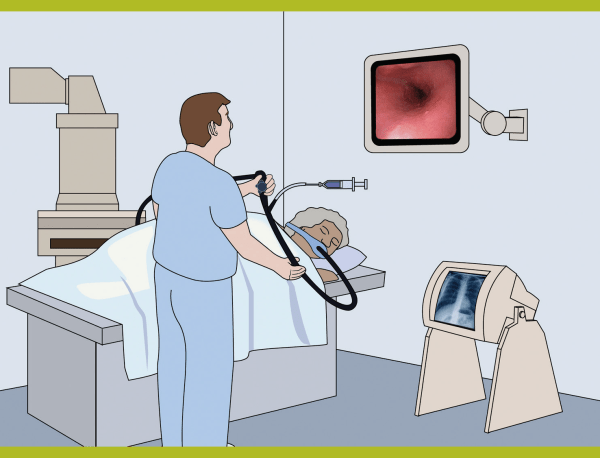
Endoscopic Retrograde Cholangiopancreatography (ERCP) is a procedure to diagnose and treat problems of the bile and pancreatic duct by combining upper gastrointestinal endoscopy and X-rays. For diagnostic purposes, the procedure is performed to find the cause of obstructive jaundice, chronic pancreatitis, and pancreatic tumor. For therapeutic purposes, the procedure can be performed to extract gallstones or other biliary debris, to treat the sphincter of Oddi (endoscopic sphincterotomy), to insert a stent into the common bile duct and/or the pancreatic duct, and to dilate the strictures.
What does a Endoscopic Retrograde Cholangiopancreatography (ERCP) Procedure Involve?
Most of ERCP are carried out under local anesthetic, but in some cases, you may receive a general anesthetic. Your doctor inserts the endoscope (a long flexible tube with light and camera on its end) through your mouth and down to the esophagus, stomach, and the first part of the small intestine. Then, your doctor passes a tube through the endoscope and injects a dye, which will highlight the organ on the X-ray.
How Long Should I Stay in Metro Manila for a Endoscopic Retrograde Cholangiopancreatography (ERCP) Procedure?
You can leave the hospital on the same day of the procedure or you may need to stay overnight. You’ll likely discuss the result of the diagnosis once you regained consciousness or the next day of the procedure. Plan to stay in Metro Manila for 2 to 3 days to allow for a recovery period.
What's the Recovery Time for Endoscopic Retrograde Cholangiopancreatography (ERCP) Procedures in Metro Manila?
You must rest for at least 24 hours and you should be able to resume your normal activities the next day after the surgery, but make sure to take things easy for a couple of days.
What sort of Aftercare is Required for Endoscopic Retrograde Cholangiopancreatography (ERCP) Procedures in Metro Manila?
You will need to avoid strenuous activities for several days and follow a special diet during your recovery period. Your doctor will give you instructions on how to care for yourself after the procedure.
What's the Success Rate of Endoscopic Retrograde Cholangiopancreatography (ERCP) Procedures in Metro Manila?
ECRP is safe and effective. However, it has been estimated that the procedure carries around 3.5 to 5 percent risk of post-ERCP pancreatitis (PEP). Other side effects and risks associated with ECRP include infection of the gallbladder or the bile duct, excessive bleeding (hemorrhage), perforation in the pancreatic or bile ducts, tissue damage from X-ray exposure, and an abnormal reaction to the sedative. Complications occur in about 5 to 10 percent of all ERCP procedures.
Are there Alternatives to Endoscopic Retrograde Cholangiopancreatography (ERCP) Procedures in Metro Manila?
If ERCP is not the right procedure for you, your alternatives include endoscopic ultrasound, CT Scan, and MRI or MRCP (a special MRI of the bile ducts).
What Should You Expect Before and After the Procedure
The result of ERCP will help your doctor confirm their diagnosis about your health problem, which will help them consider the best treatment option for you.
Whilst the information presented here has been accurately sourced and verified by a medical professional for its accuracy, it is still advised to consult with your doctor before pursuing a medical treatment at one of the listed medical providers
No Time?
Tell us what you're looking for and we'll reachout to the top clinics all at once
Enquire Now

Popular Procedures in Metro Manila
Prices Start From $106

Price on Request
Prices Start From $131
Prices Start From $47
Recommended Medical Centers in Metro Manila for procedures similar to Endoscopic Retrograde Cholangiopancreatography (ERCP)
- Interpreter services
- Translation service
- Religious facilities
- Medical records transfer
- Medical travel insurance
- Health insurance coordination
- TV in the room
- Safe in the room
- Phone in the room
- Private rooms for patients available
- Interpreter services
- Translation service
- Religious facilities
- Medical records transfer
- Medical travel insurance
- Health insurance coordination
- TV in the room
- Safe in the room
- Phone in the room
- Private rooms for patients available
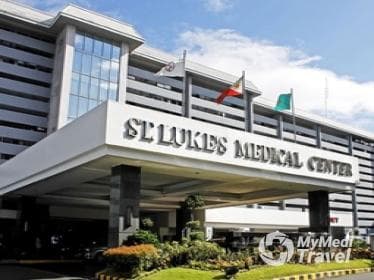
- Interpreter services
- Translation service
- Religious facilities
- Medical records transfer
- Medical travel insurance
- Health insurance coordination
- TV in the room
- Safe in the room
- Phone in the room
- Private rooms for patients available