 USD $
USD $

All-on-4 in France
Search and Compare the Best Clinics and Doctors at the Lowest Prices for All-on-4 in France
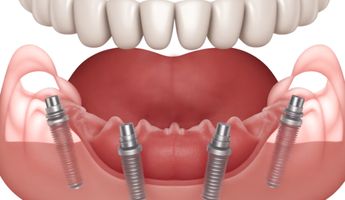


Find the best clinics for All-on-4 in France
No clinics available
Turkey offers the best prices Worldwide
Price: $ 200

WHY US?
At Medijump, we're making medical easy. You can search, compare, discuss, and book your medical all in one place. We open the door to the best medical providers worldwide, saving you time and energy along the way, and it's all for FREE, no hidden fees, and no price markups guaranteed. So what are you waiting for?

Free

Best Price

Widest Selection

Risk-Free
What you need to know about All-on-4 in France
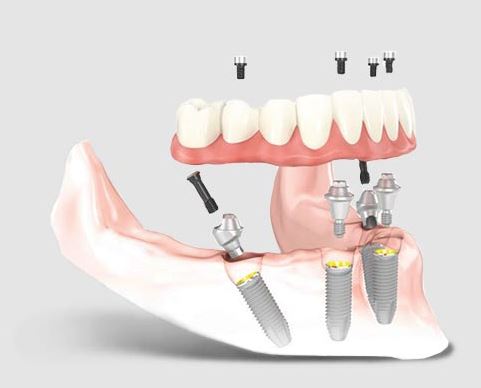
The All-on-4 dental implant treatment is an advanced solution designed to replace a full arch of missing or severely damaged teeth using four strategically placed dental implants. This approach allows a fixed prosthetic arch to be supported efficiently, often reducing the need for additional implants or bone grafting compared to traditional methods. For many patients, All-on-4 can offer a more streamlined treatment process and improved comfort, helping restore function, confidence, and quality of life.
It is important to note that the All-on-4 dental implant treatment typically involves a team of experienced dental specialists. This often includes an oral surgeon responsible for implant placement and a prosthodontist or restorative dentist who designs and fits the prosthetic teeth. Before the procedure, detailed planning and impressions or digital scans are taken to ensure the prosthetic is tailored to the patient’s unique oral anatomy. After the implants are placed, a temporary set of teeth may be attached in suitable cases. The final prosthetic is usually fitted after a healing period of several months, once the implants have fully integrated with the jawbone, resulting in a stable, natural-looking, and functional set of teeth.
What does a All-on-4 Procedure Involve?
The All-on-4 dental implant technique is an advanced approach designed to restore a full arch of missing or severely damaged teeth. This method uses four strategically placed dental implants to support a fixed full-arch prosthetic. By maximizing available bone and implant positioning, All-on-4 may reduce the need for bone grafting in some patients compared to traditional implant methods. Patients considering this treatment should consult with an experienced dental implant specialist to determine suitability.
During the All-on-4, local anesthesia is typically administered, and sedation options may be available depending on the patient and clinic. The surgical placement of the implants is usually completed in one visit. In some cases, a temporary prosthetic may be attached shortly after surgery; however, the final prosthetic is generally placed after a healing period to allow proper integration of the implants with the jawbone. Treatment timelines and outcomes vary based on individual oral health, bone condition, and clinical assessment.
How Long Should I Stay in France for a All-on-4 Procedure?
The length of your stay in France for a All-on-4 will depend on several factors including the complexity of your case and your individual healing process. However, typically, you will need to plan to stay anywhere between a week to two weeks. This time frame accommodates initial consultations, the procedure itself, and the necessary follow-up appointments.
While some clinics may suggest that the procedure can be completed in one appointment, it's crucial to allocate time for any pre-operative assessments or additional treatments that may be required, as well as for the immediate recovery period following the procedure. Always consult with your dental professional for a more personalized timeline.
How Long is the Recovery Time?
Post All-on-4, patients can generally expect a recovery period between a few days to a couple of weeks. This margin greatly varies based on individual healing capabilities and how well the post-operative care instructions are followed. During the initial days after the procedure, mild discomfort, minor bleeding, and swelling can be experienced, which is entirely normal. It's recommended to eat soft foods for a few days post-procedure to assist the healing process.
Good oral hygiene habits, such as regular brushing, flossing, and rinsing with an antibacterial mouthwash, are essential to prevent infections and promote healing. Remember, smoking or alcohol consumption can impede the healing process, so it's advised to refrain from such habits during the recovery period.
What sort of Aftercare is Required for All-on-4 Procedures in France?
Post-procedure for a All-on-4 can significantly affect recovery time as well as the long-term success of the treatment. This usually involves maintaining good oral hygiene habits like regular brushing and flossing. It's also crucial to rinse your mouth with an antibacterial wash to minimize the risk of infections and inflammation. The aftercare largely depends on the particular healing capabilities and medical conditions of each patient. For personalized aftercare plans, consider consulting your dental professional.
Routine dental check-ups are recommended to guarantee that the implants are functioning properly and to detect early complications signs. These appointments offer your dental professional the opportunity to thoroughly monitor your implants and prosthetics. Moreover, food control post-procedure can also aid the healing process.
What's the Success Rate of All-on-4 Procedures in France?
Decades of research and clinical studies have demonstrated impressively high success rates for All-on-4 procedures, average rates often ranging between 94.8% to 98.0% even after a decade post-procedure. These extraordinary outcomes rely significantly on the technique's unique methodology.
Keep in mind that success rates are also influenced by factors such as surgical technique, overall health, bone density, and the aftercare of implants. It is always imperative to engage in extensive discussions with your dentist regarding your individual circumstances before opting for the procedure.
Are there Alternatives to All-on-4 Procedures in France?
Yes, there indeed are alternatives to the All-on-4 available in France. Although the All-on-4 offers remarkable outcomes, it does not fit all scenarios, and sometimes alternatives may be better suited.
If for some reason you feel that All-on-4 is not the right dental procedure for you, your alternatives include G4 implants and traditional dentures. With G4 implants, patients can enjoy a similar implant-supported full-arch prosthetic like the one provided by the All-on-4, but G4 implants typically do a computer-guided implant placement for more precision.
Traditional dentures, another alternative, consist of a removable frame that carries a set of artificial teeth. These dentures get their support from the surrounding hard and soft tissues of the oral cavity. While they may be more budget-friendly, remember that they may not provide the same stability, comfort, or natural aesthetic of All-on-4 or G4 implants. Regardless, the best treatment option should always be made in consultation with a dental professional considering your specific needs, medical history, and budget.
What Should You Expect Before and After the Procedure
Before the All-on-4, patients usually undergo an evaluation which may involve dental X-rays and a thorough dental and medical history check. This helps your dental provider assess your oral health and decide if the All-on-4 is best for you. Before your procedure, you will have a personalized consultation to discuss the treatment plan, and the procedure, and address any questions you may have. The dental provider will discuss necessary preparations, which may include eating a good breakfast and organizing transportation as you will not be able to drive post-procedure due to the anesthesia.
Post-procedure expectations for the All-on-4 include some discomfort, swelling of your gums and face, bruising of your skin and gums, and minor bleeding. However, these side effects should be reduced in a few days following the procedure. You will receive detailed aftercare instructions from your dental provider. This will likely include prescriptions for pain management, a modified diet of soft foods, a recommended oral hygiene routine, and the importance of refraining from certain activities, such as smoking and strenuous physical activity, for a specified amount of time.
This post-operative period is an essential part of the All-on-4 to ensure your mouth heals properly and to support the success of your new dental prosthetic. It's essential to follow the aftercare instructions and notify your provider if you experience severe pain or prolonged discomfort.
What is the Cost of a All-on-4 in France?
The price of the All-on-4 varies widely and is influenced by various factors. On a general scale, the price usually includes dental check-ups, anesthesia, surgical placement of the implants, as well as the creation and placement of the dental prosthetic. However, the cost might differ among various clinics in France, largely based on the experience of their teams and the facilities they hold.
Remember that choosing a cheaper clinic might not always be the best decision for you. Choose a clinic that prioritizes offering superior service with their highly skilled professionals. Ask for a comprehensive cost breakdown from different *Clinics* before finalizing your choice.
What are the Benefits of a All-on-4 Procedure?
The All-on-4 has a myriad of benefits over traditional denture treatments. Primarily, the All-on-4 implants add strength, stability, and an authentic appearance to your teeth. This gives you the luxury of eating, talking, and smiling without restraint. Furthermore, this prosthetic device doesn’t require removal for cleaning like traditional removable dentures which adds to its convenience.
All-on-4 also lessens the necessity of bone grafting which is sometimes enacted in severe bone loss cases in the jaw. Therefore, the four implants can be placed in areas with higher bone density, saving you from another potentially invasive procedure. Most importantly, the All-on-4 speeds up the recovery time, offering patients shorter and more comfortable recovery periods typically associated with traditional dental implant methods.
What are the Possible Risks and Side-Effects of the All-on-4?
Although the All-on-4 comes with fewer complications, as is the case with any surgical procedure, it can carry a few possible risks and side effects. Minor discomfort, swelling, and bruising are relatively common post-procedure and are usually manageable with over-the-counter painkillers. They should subside within a few days. There are potentially more severe issues like infections around the implant site, nerve damage, and sinus complications with implants placed in the upper jaw.
However, these are quite uncommon. An improperly carried out procedure can cause the implants not to fuse with the bone or become loose, and certain lifestyle habits or medical conditions can increase complications or implant failure.
Who is Suitable for the All-on-4?
While the All-on-4 serves as an effective solution for many people, it may not be suitable for everyone. The procedure necessitates patients to be healthy enough to undergo minor surgery. Additionally, the patients must have ample bone tissue in the jaw to secure the implants. However, in the case of extensive bone loss in the jaw, patients may still qualify for the All-on-4.
Smoking and poor lifestyle habits can affect the success rate and healing process. To conclusively decide if you're a good match for the treatment, it is advisable to have a detailed personal consultation with a dental expert from a reputable clinic in France.
How Durable and Long-Lasting is the All-on-4?
The All-on-4's durability and longevity depend on how well the procedure is carried out, lifestyle habits, and the patient’s overall health status. But with proper execution and good aftercare, the All-on-4 has proven to provide a very durable solution. In fact, prosthetics can last for a range between 10-15 years, and even up to 20 years in some cases.
Moreover, the titanium implants used to anchor the prosthetics endure even longer, typically for 20 or even more years. Clearly, longevity largely depends on how well aftercare is followed. Regular dental check-ups and maintaining good oral hygiene can help prolong the implants' life span.
Whilst the information presented here has been accurately sourced and verified by a medical professional for its accuracy, it is still advised to consult with your doctor before pursuing a medical treatment at one of the listed medical providers
No Time?
Tell us what you're looking for and we'll reachout to the top clinics all at once
Enquire Now

Popular Procedures in France
Prices Start From $602

Prices Start From $200
Prices Start From $2,408
Prices Start From $1
Prices Start From $1
Prices Start From $1
Prices Start From $48
Prices Start From $1
Prices Start From $1
Prices Start From $1
Prices Start From $1
Prices Start From $45
Recommended Medical Centers in France for procedures similar to All-on-4

- Interpreter services
- Translation service
- Religious facilities
- Medical records transfer
- Medical travel insurance
- Health insurance coordination
- TV in the room
- Safe in the room
- Phone in the room
- Private rooms for patients available

- Interpreter services
- Translation service
- Religious facilities
- Medical records transfer
- Medical travel insurance
- Health insurance coordination
- TV in the room
- Safe in the room
- Phone in the room
- Private rooms for patients available

- Interpreter services
- Translation service
- Religious facilities
- Medical records transfer
- Medical travel insurance
- Health insurance coordination
- TV in the room
- Safe in the room
- Phone in the room
- Private rooms for patients available

- Interpreter services
- Translation service
- Religious facilities
- Medical records transfer
- Medical travel insurance
- Health insurance coordination
- TV in the room
- Safe in the room
- Phone in the room
- Private rooms for patients available