 USD $
USD $

Thyroid Cancer Treatment in Bahamas
Search and Compare the Best Clinics and Doctors at the Lowest Prices for Thyroid Cancer Treatment in Bahamas
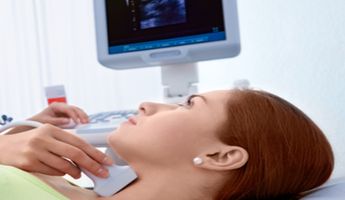


Find the best clinics for Thyroid Cancer Treatment in Bahamas
No clinics available
Ukraine offers the best prices Worldwide
Price: $ 2,487

WHY US?
At Medijump, we're making medical easy. You can search, compare, discuss, and book your medical all in one place. We open the door to the best medical providers worldwide, saving you time and energy along the way, and it's all for FREE, no hidden fees, and no price markups guaranteed. So what are you waiting for?

Free

Best Price

Widest Selection

Risk-Free
What you need to know about Thyroid Cancer Treatment in Bahamas

There are several types of treatments available for thyroid cancer. The type of treatment you will undergo depends on the type and stage of thyroid cancer, your preference, and your general health. Quite often, more than one type of treatment is required. The most common types of treatments are surgery, hormone therapy, radioactive iodine, external radiation therapy, chemotherapy, targeted drug therapy, and palliative care.
What does the Procedure Involve?
Surgery
For most types of thyroid cancer, surgery is the first treatment. There are several surgical options to treat thyroid cancer. The surgery your doctor may suggest depends on the type of thyroid cancer you have, whether cancer has spread, and the size of cancer. Common surgical options include:
-
Thyroidectomy – this operation may involve removing the entire thyroid gland (total thyroidectomy) or most of the thyroid gland (near-total or subtotal thyroidectomy).
-
Thyroid lobectomy – during a thyroid lobectomy, your thyroid glands lobe with the cancerous nodule is removed.
-
Lymph node dissection – when your surgeon removes your thyroid, nearby lymph nodes in the neck may also be removed.
All types of surgery are performed under general anesthesia.
Hormone therapy
After surgery, thyroid hormone therapy may be necessary to replace the hormone your thyroid would normally produce. In addition, hormone therapy may slow down the growth of any remaining cancer cells. It works by suppressing your pituitary gland from producing thyroid-stimulating hormone.
Hormone therapy typically involves taking a pill daily, at the same time every day, so that your body receives a consistent supply.
Radioactive iodine
Radioactive treatment is usually used after thyroidectomy. This type of treatment is used to kill any healthy thyroid tissue that may remain, along with some areas of thyroid cancer that were not removed during surgery. It is also used to treat thyroid cancer that has spread to other areas of the body or recurs after treatment. Radioactive iodine is given in either pill or liquid form.
External radiation therapy
This is another type of radiation therapy that uses a machine that aims high-energy beams, such as protons and X-rays, at precise points on your body. It is usually suggested if surgery is not an option or if your cancer still grows even after radioactive iodine treatment or if there is a risk that your cancer will recur.
Chemotherapy
Chemotherapy uses chemicals to destroy cancer cells. It is typically given intravenously (infusion through a vein). The chemicals can travel all around your body and killing quickly growing cancer cells. This procedure is not common for thyroid cancer. However, it is sometimes recommended for those with anaplastic thyroid cancer.
Targeted drug therapy
This type of treatment focuses on specific abnormalities present within the cancer cells. It can kill cancer cells by blocking these abnormalities. For thyroid cancer, this therapy targets the signals telling cancer cells to grow and divide.
Palliative care
This is specialized medical care that focuses on providing relief from the symptoms that thyroid cancer may bring. It can be used while you undergo other treatments, such as surgery or radiation therapy.
How Long Should I Stay in Bahamas?
After any surgical procedure, you may need to stay in the hospital for 3 to 5 days and stay in Bahamas for about 7 to 14 days. For hormone therapy, radiation therapy, targeted therapy, and chemotherapy, your length of stay depends on how many therapy cycles are required for your case. Your medical team/medical travel team will be able to advise you on this matter.
What's the Recovery Time?
After surgery, you will need to rest for several weeks after surgery. Most people are able to return to work within 1 to 2 weeks after surgery. For any type of therapy, you may need to rest for a few days until you can resume your normal activities.
What About Aftercare?
Your medical team will give you special instructions to care for yourself at home after each type of treatment. The instructions may include a special diet, exercises, medications to take, restrictions, and wound care (for surgical procedures).
You may also need to attend regular checkups to ensure that cancer has not come back.
What's the Success Rate?
Treatment for thyroid cancer is safe and effective. In many cases, it can cure thyroid cancer completely. However, cancer may still come back even after treatment.
All types of thyroid cancer treatment carry some potential risks and side effects, including infection, bleeding, and damage to the parathyroid glands, nausea, neck pain, and swelling.
Are there Alternatives to Thyroid Cancer Treatment?
Taking part in a clinical trial of newer treatments can be an alternative to the thyroid cancer treatments mentioned above. A clinical trial is a study used to develop new treatments for cancer.
What Should You Expect Before and After the Procedure
Before surgery, your thyroid cancer may cause painful symptoms. It has a high risk of spreading to other areas of your body and may be life-threatening. Having thyroid cancer can decrease your quality of life. After successful treatment, your thyroid cancer may be cured completely.
Whilst the information presented here has been accurately sourced and verified by a medical professional for its accuracy, it is still advised to consult with your doctor before pursuing a medical treatment at one of the listed medical providers
No Time?
Tell us what you're looking for and we'll reachout to the top clinics all at once
Enquire Now

Popular Procedures in Bahamas
Prices Start From $2,104

Prices Start From $2,487
Prices Start From $2,487
Recommended Medical Centers in Bahamas for procedures similar to Thyroid Cancer Treatment

- Interpreter services
- Translation service
- Religious facilities
- Medical records transfer
- Medical travel insurance
- Health insurance coordination
- TV in the room
- Safe in the room
- Phone in the room
- Private rooms for patients available