 USD $
USD $

Proton Therapy in Bahamas
Search and Compare the Best Clinics and Doctors at the Lowest Prices for Proton Therapy in Bahamas


Find the best clinics for Proton Therapy in Bahamas
No clinics available
Singapore offers the best prices Worldwide
Price: $ 27,000

WHY US?
At Medijump, we're making medical easy. You can search, compare, discuss, and book your medical all in one place. We open the door to the best medical providers worldwide, saving you time and energy along the way, and it's all for FREE, no hidden fees, and no price markups guaranteed. So what are you waiting for?

Free

Best Price

Widest Selection

Risk-Free
What you need to know about Proton Therapy in Bahamas
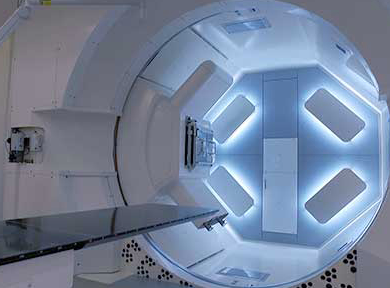
Proton therapy, also known as proton radiotherapy, is a type of radiation therapy to treat cancer and noncancerous tumours. Instead of using X-rays such as traditional radiation therapy, proton therapy uses energy from positively charged particles known as protons to send beams of high energy to the tumors. It is newer, advanced, and highly precise so it causes less radiation to surrounding healthy tissue. However, it cannot treat every type of cancer.
What does a Proton Therapy Procedure Involve?
During the procedure, you will be positioned on a table and your body will be held by cushions and restraints. Proton therapy can be performed in two ways, with a machine that rotates around you or with a machine that does not move. If you undergo proton therapy with a machine that rotates around you, you will be placed on a table, gently slid into the spherical opening of the machine, and the machine will rotate around you to direct proton beams, but if you undergo proton therapy with a machine that does not move, your table will move instead of the proton therapy machine. No anaesthesia is involved during the procedure since it is painless.
How Long Should I Stay in Bahamas for a Proton Therapy Procedure?
You may need to stay in the hospital for about 8 days after the surgery, but you should aim to stay in Bahamas for at least 14 more days. If you undergo therapy, your length of stay is determined by the number of cycles needed for your case.
What's the Recovery Time for Proton Therapy Procedures in Bahamas?
Most people can resume their normal activities straight after the procedure, including returning to work and exercise. However, you can rest for the day if you feel the need to since radiation therapy can make you feel drained of energy.
What sort of Aftercare is Required for Proton Therapy Procedures in Bahamas?
Your doctor will likely tell you of any restrictions or diet to follow, which will depend on your specific case. You may notice skin redness similar to sunburn around the affected area, your doctor should tell you how to care for this. You may need to attend a periodic imaging test to see how the treatment is affecting the tumour.
What's the Success Rate of Proton Therapy Procedures in Bahamas?
The success rate for proton therapy depends on your condition and the time you get the therapy, the earlier you get treatment the higher the success rate is. In general, proton therapy has an 82% success rate. There are some side effects and risks that come with the procedure, including sore skin, hair loss in the treatment area, fatigue, headaches, as well as eating, mouth, and digestion problems.
Are there Alternatives to Proton Therapy Procedures in Bahamas?
If you do not want to undergo proton therapy or you are not an ideal candidate for the procedure, you can consider surgery, immunotherapy, chemotherapy, targeted drug therapy, or traditional radiation therapy. Make sure to consult your doctor which one is best for you.
What Should You Expect Before and After the Procedure
After proton therapy, you may be able to enjoy your life as you used to as your symptoms will be relieved. The risk of cancerous tumours spreading to other areas of your body will also greatly reduce and your survival rate may be increased significantly after the procedure.
Whilst the information presented here has been accurately sourced and verified by a medical professional for its accuracy, it is still advised to consult with your doctor before pursuing a medical treatment at one of the listed medical providers
No Time?
Tell us what you're looking for and we'll reachout to the top clinics all at once
Enquire Now

Popular Procedures in Bahamas
Prices Start From $2,487
Prices Start From $2,487
Prices Start From $95
Prices Start From $2,487
Recommended Medical Centers in Bahamas for procedures similar to Proton Therapy
- Interpreter services
- Translation service
- Religious facilities
- Medical records transfer
- Medical travel insurance
- Health insurance coordination
- TV in the room
- Safe in the room
- Phone in the room
- Private rooms for patients available