 USD $
USD $

Lipoma Removal in Bahamas
Search and Compare the Best Clinics and Doctors at the Lowest Prices for Lipoma Removal in Bahamas


Find the best clinics for Lipoma Removal in Bahamas
No clinics available
United Kingdom offers the best prices Worldwide
Price: $ 8

WHY US?
At Medijump, we're making medical easy. You can search, compare, discuss, and book your medical all in one place. We open the door to the best medical providers worldwide, saving you time and energy along the way, and it's all for FREE, no hidden fees, and no price markups guaranteed. So what are you waiting for?

Free

Best Price

Widest Selection

Risk-Free
What you need to know about Lipoma Removal in Bahamas
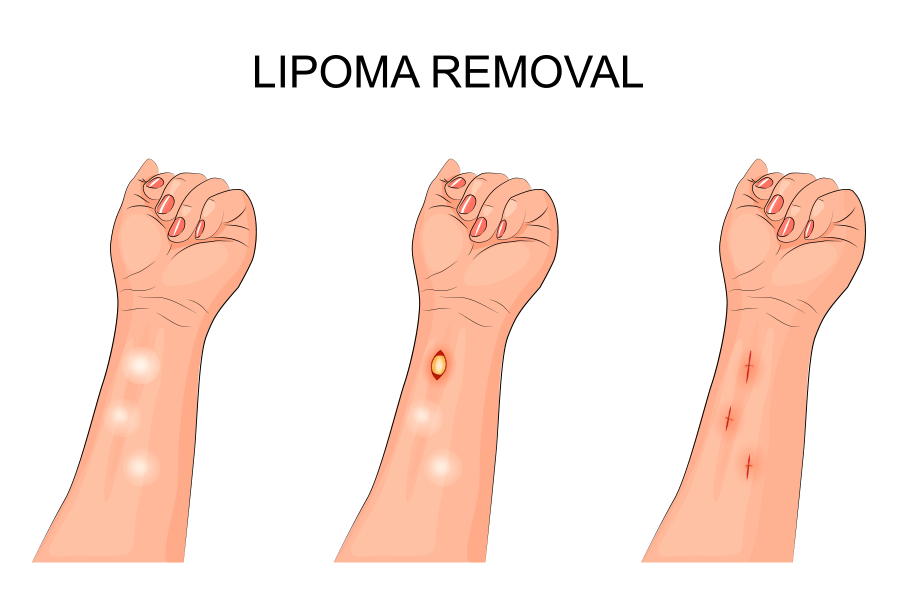
A lipoma is a soft fatty lump under the skin that appears due to an overgrowth of fat cells. It is considered as benign (noncancerous). It tends to appear on the shoulders, trunk, chest, neck, armpits, and thighs.
A lipoma is usually harmless and does not usually need treatment. However, you can consider getting a lipoma removal if your lipoma:
-
Becomes painful and causes discomfort
-
Is large or growing rapidly
-
Interferes with your body’s normal functions
-
Makes you feel self-conscious about your looks
-
Changes the way your clothes fit.
Lipoma removal involves surgically removing the lipoma. The procedure is also called excision. It is considered as the only treatment that can completely remove a lipoma. The technique used in lipoma removal depends on the size of the lipoma.
What does a Lipoma Removal Procedure Involve?
Before the actual surgery, your surgeon usually draws an outline of the lipoma and a planned skin excision using a marker on your skin surface. The outline of the lipoma can help your surgeon indicate the exact position of the lipoma’s margins. Then, your surgeon will cleanse your skin with povidone-iodine or chlorhexidine and will make sure to avoid wiping away the markings.
After your skin is cleansed, your doctor will administer local anesthesia to numb the area. In some cases, larger lipomas or those that are deep may require general anesthesia or regional anesthesia. General anesthesia puts you to sleep, while regional anesthesia numbs a large area around the lipoma.
For small lipomas, your surgeon will make small incisions (around 3 mm to 4 mm in size) over the lipoma. Then, the lipoma is separated from the surrounding tissues using a curette. Once the lipoma is separated, it is then removed through the incision using the curette. The incision may be closed with stitches, but if stitches are not used a pressure dressing is applied instead.
For larger lipomas, a more significant incision is created in the skin overlying the lipoma. The lipoma is separated from the surrounding tissue a scalpel or scissors. The lipoma can be removed as a single mass or in segments. Your surgeon may close the incision using stitches.
How Long Should I Stay in Bahamas for a Lipoma Removal Procedure?
Lipoma removal is usually performed as an outpatient procedure, meaning you can leave the hospital on the same day. However, plan to stay in Bahamas for about 5 to 7 days, especially if stitches are involved. In some cases, your medical team may schedule a follow-up checkup to check your condition and to remove the stitches.
What's the Recovery Time for Lipoma Removal Procedures in Bahamas?
The recovery time until you can resume most of your daily activities will depend on the size and location of your lipoma. Most patients can go back to work and resume some light activities after 5-7 days. However, strenuous activities must be avoided for a month. These include swimming, heavy lifting, playing golf, digging the garden, etc. Therefore, if your job is physically demanding, it is best that you take a month off.
What sort of Aftercare is Required for Lipoma Removal Procedures in Bahamas?
Your medical team will give you special instructions that you need to follow. In general, the instructions may include:
-
Try to move around to help reduce stiffness for the first 24 hours following your lipoma removal.
-
You may shower, but make sure to avoid bathtubs and swimming pools because you need to avoid soaking the incision until it is healed.
-
Wear loose-fitting clothing for the first few days.
-
Light exercise and walking during your recovery period is good.
-
Eat a well-balanced and healthy diet, including plenty of vegetables, fruit, and brown bread to avoid constipation.
-
If your doctor prescribes medications, make sure to take it as prescribed.
-
Check your incisions every day for signs and symptoms of infection, such as increased swelling, increased redness, foul-smelling drainage, red or hot incision, and a fever over 38°C for 2 readings taken 4 hours apart. Make sure to call your doctor if any of these symptoms occur.
What's the Success Rate of Lipoma Removal Procedures in Bahamas?
Lipoma removal is considered a very safe and effective procedure. A recurrence after surgical removal is uncommon. Still, all medical procedures carry some potential risks, including infection, bleeding, scarring, and hematoma. You can reduce these risks by following all the instructions your surgeon will give you and by choosing an experienced and skilled surgeon.
Are there Alternatives to Lipoma Removal Procedures in Bahamas?
If you cannot or do not want to undergo surgical lipoma removal, you can consider the following treatments as the alternatives:
-
Liposuction – during this procedure an incision is made into the lump to insert a thin, hollow tube. This tube is used to suck the mass of fatty tissue from the lipoma.
Steroids – this is a type of drug that can help shrink the lipoma.
What Should You Expect Before and After the Procedure
Before lipoma removal, you may have a lipoma that causes pain, discomfort, interferes with your body’s function, or that makes you feel unconfident because of its appearance. After the procedure, all of these concerns should be addressed. You will not feel the pain and discomfort you felt before, your body can function normally again, and you can regain your confidence.
Whilst the information presented here has been accurately sourced and verified by a medical professional for its accuracy, it is still advised to consult with your doctor before pursuing a medical treatment at one of the listed medical providers
No Time?
Tell us what you're looking for and we'll reachout to the top clinics all at once
Enquire Now

Popular Procedures in Bahamas
Prices Start From $4

Prices Start From $11
Prices Start From $216
Prices Start From $120
Recommended Medical Centers in Bahamas for procedures similar to Lipoma Removal
- Interpreter services
- Translation service
- Religious facilities
- Medical records transfer
- Medical travel insurance
- Health insurance coordination
- TV in the room
- Safe in the room
- Phone in the room
- Private rooms for patients available