 USD $
USD $

Hormone Therapy for Cancer in Bahamas
Search and Compare the Best Clinics and Doctors at the Lowest Prices for Hormone Therapy for Cancer in Bahamas



Find the best clinics for Hormone Therapy for Cancer in Bahamas
No clinics available
Thailand offers the best prices Worldwide
Price: $ 15

WHY US?
At Medijump, we're making medical easy. You can search, compare, discuss, and book your medical all in one place. We open the door to the best medical providers worldwide, saving you time and energy along the way, and it's all for FREE, no hidden fees, and no price markups guaranteed. So what are you waiting for?

Free

Best Price

Widest Selection

Risk-Free
What you need to know about Hormone Therapy for Cancer in Bahamas
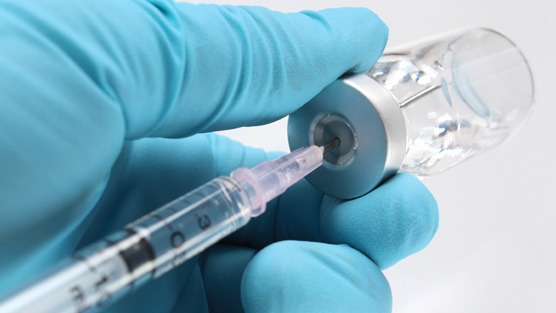
Hormone therapy (also known as hormonal therapy, hormone treatment, or endocrine therapy) is a cancer treatment that uses medicine to lower or block the number of hormones in the body to stop or slow the growth of cancer. The aim of the procedure is to treat cancer and ease cancer symptoms. The procedure is mainly used to treat breast cancer, ovarian cancer, womb cancer, and prostate cancer that use hormones to grow and is usually used along with other cancer treatments.
What does a Hormone Therapy for Cancer Procedure Involve?
Hormone therapy involves taking medication that prevents cancer cells from getting the hormones they need in order to grow, which may be given orally (in pills that you swallow) or injected into a muscle in your hip, thigh, arm, leg, or belly. Some frequently used hormone therapy drugs are abiraterone, anastrozole, exemestane, fulvestrant, letrozole, leuprolide, and tamoxifen. In some cases, your doctor may also remove the gland responsible for hormone production with surgery.
How Long Should I Stay in Bahamas for a Hormone Therapy for Cancer Procedure?
Your length of stay depends on how many cycles are needed for your specific case. During your hormone therapy, you will need to meet your oncologist regularly for follow-up visits to see how your body is responding to the medications.
What's the Recovery Time for Hormone Therapy for Cancer Procedures in Bahamas?
You may be able to resume your normal activities and work the next day after you receive the hormone medications or when you do not feel any symptoms that interfere with your ability to perform your daily activities. If you undergo surgery to remove the gland responsible for hormone production, you may need to take 4 weeks off work and avoid any strenuous activities, such as intense exercise, for 6 to 8 weeks.
What sort of Aftercare is Required for Hormone Therapy for Cancer Procedures in Bahamas?
Your doctor will give you aftercare instructions, which involve diet, exercise, and restrictions. You will need to attend regular follow-up checkups after your hormone therapy is complete to discuss ways of reducing and treating side effects as well as to watch for cancer recurrence.
What's the Success Rate of Hormone Therapy for Cancer Procedures in Bahamas?
Hormone therapy has been shown to reduce the risk of cancer recurrence if performed along with other cancer treatments. It is also effective way to put cancer patients in remission, however, the treatment has some side effect and risks, such as hot flashes, fatigue, nausea, joint or muscle pain, blood clots, cataracts, stroke, heart disease, osteoporosis, erectile dysfunction (in men), as well as vaginal irritation, vaginal discharge, and vaginal dryness (in women).
Are there Alternatives to Hormone Therapy for Cancer Procedures in Bahamas?
Other cancer treatments, such as surgery, immunotherapy, targeted drug therapy, and chemotherapy can be your alternative options. Discuss with your doctor the best choice for your specific condition.
What Should You Expect Before and After the Procedure
Cancer can prevent you from enjoying life and cause painful symptoms, and it can be life-threatening. After successful hormone therapy, you should be able to enjoy the things you love, your symptoms are relieved, and your life may be prolonged. Many patients are put in remission after treatment, meaning no cancer cells are found in their bodies.
Whilst the information presented here has been accurately sourced and verified by a medical professional for its accuracy, it is still advised to consult with your doctor before pursuing a medical treatment at one of the listed medical providers
No Time?
Tell us what you're looking for and we'll reachout to the top clinics all at once
Enquire Now

Popular Procedures in Bahamas
Prices Start From $714
Prices Start From $2,487
Prices Start From $95
Prices Start From $2,487
Recommended Medical Centers in Bahamas for procedures similar to Hormone Therapy for Cancer
- Interpreter services
- Translation service
- Religious facilities
- Medical records transfer
- Medical travel insurance
- Health insurance coordination
- TV in the room
- Safe in the room
- Phone in the room
- Private rooms for patients available