 USD $
USD $

Hemorrhoidectomy in Iran
Search and Compare the Best Clinics and Doctors at the Lowest Prices for Hemorrhoidectomy in Iran



Find the best clinics for Hemorrhoidectomy in Iran
No clinics available
Ukraine offers the best prices Worldwide
Price: $ 170

WHY US?
At Medijump, we're making medical easy. You can search, compare, discuss, and book your medical all in one place. We open the door to the best medical providers worldwide, saving you time and energy along the way, and it's all for FREE, no hidden fees, and no price markups guaranteed. So what are you waiting for?

Free

Best Price

Widest Selection

Risk-Free
What you need to know about Hemorrhoidectomy in Iran
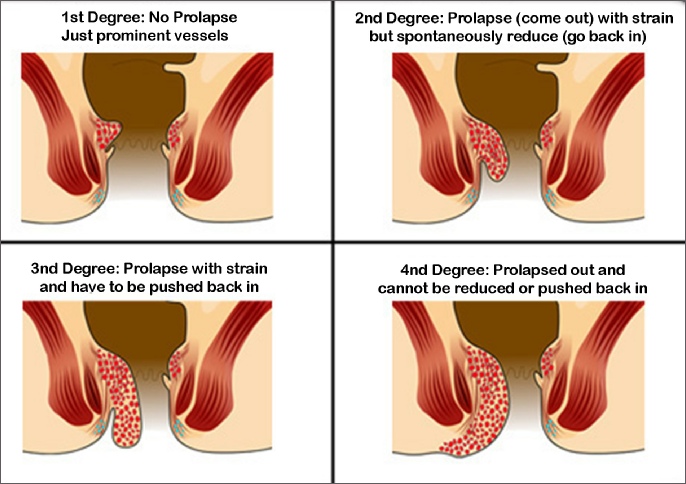
Hemorrhoidectomy is a surgical procedure to remove severe hemorrhoids or piles (swollen blood vessels inside or around the rectum and anus). This procedure offers a long-term solution for those who suffer from hemorrhoids, especially for those whose hemorrhoids are large, very painful, or bleeding.
What does the Procedure Involve?
Hemorrhoidectomy may be performed under general anesthetic (you’re put to sleep during the surgery) or local anesthetic. The surgery starts by gaining access to the anus, then the hemorrhoids are gently cut out using surgical instruments, such as a laser or surgical scissors. Then the wounds may be sealed with sutures or left open.
How Long Should I Stay in Iran?
You should be able to leave the hospital on the same day. However, you need to stay in Iran for around 14 more days or until your doctor says it is okay for you to travel as you should not sit for a long period of time during the recovery period.
What's the Recovery Time?
You may need about one or two weeks off work to recover, but you should not do any strenuous activities such as intense exercises and heavy lifting for about 3 to 6 weeks. The total recovery period may take as long as 6 weeks.
What About Aftercare?
Before you go home after the surgery, your surgeon will give you directions to care for yourself at home, such as taking stool softeners to reduce straining during a bowel movement, taking a Sitz bath, and eating a fiber-rich diet. You need to attend a follow-up checkup to monitor your condition, but you can do it with your local doctor. To prevent hemorrhoid from happening again, you should not delay using the toilet, do not spend too much time on the toilet (such as reading or using your phone in the toilet), and try to eat a diet full of green vegetables, fruit, and 100% whole grains.
What's the Success Rate?
Hemorrhoidectomy is very common and generally safe, but it carries some side effects and risks, pain, bleeding, infection, difficulty urinating, loss of control of the rectal sphincter, damage or narrowing of the anal canal, and allergic reaction to the anesthetic.
Are there Alternatives to Hemorrhoidectomy?
Some cases of hemorrhoids can be treated with over-the-counter medicines as well as a healthy diet and lifestyle. However, if you need further treatment, the alternatives to hemorrhoidectomy are rubber band ligation, sclerotherapy, coagulation, and hemorrhoid stapling. Make sure to discuss with your doctor the best option for your case.
What Should You Expect Before and After the Procedure
Before hemorrhoidectomy, you may experience uncomfortable and painful symptoms that interfere with your daily life. After the surgery, you will no longer experience any of the symptoms and your quality of life will be significantly increased.
Whilst the information presented here has been accurately sourced and verified by a medical professional for its accuracy, it is still advised to consult with your doctor before pursuing a medical treatment at one of the listed medical providers
No Time?
Tell us what you're looking for and we'll reachout to the top clinics all at once
Enquire Now

Popular Procedures in Iran
Prices Start From $133

Prices Start From $1
Prices Start From $961
Prices Start From $514
Recommended Medical Centers in Iran for procedures similar to Hemorrhoidectomy

- Interpreter services
- Translation service
- Religious facilities
- Medical records transfer
- Medical travel insurance
- Health insurance coordination
- TV in the room
- Safe in the room
- Phone in the room
- Private rooms for patients available

- Interpreter services
- Translation service
- Religious facilities
- Medical records transfer
- Medical travel insurance
- Health insurance coordination
- TV in the room
- Safe in the room
- Phone in the room
- Private rooms for patients available

- Interpreter services
- Translation service
- Religious facilities
- Medical records transfer
- Medical travel insurance
- Health insurance coordination
- TV in the room
- Safe in the room
- Phone in the room
- Private rooms for patients available