 USD $
USD $

Hairline Lowering Surgery in Delhi
Search and Compare the Best Clinics and Doctors at the Lowest Prices for Hairline Lowering Surgery in Delhi
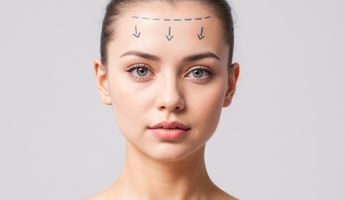


Find the best clinics for Hairline Lowering Surgery in Delhi
No clinics available
Egypt offers the best prices Worldwide
Price: $ 500

Compare Before & After Photos of _procedure_photos.phpHairline Lowering Surgery
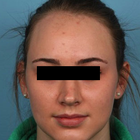
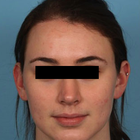
Front view
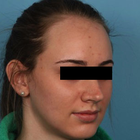
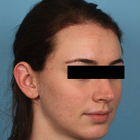
Half-side view
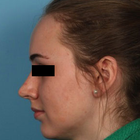
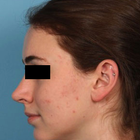
Full-side view
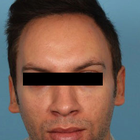
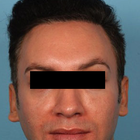
Front view
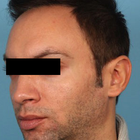
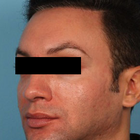
Half-side view
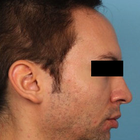
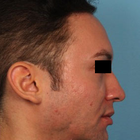
Full-side view
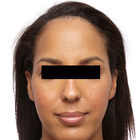
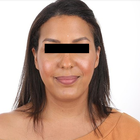
Front view
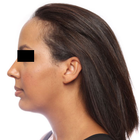
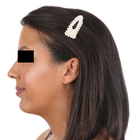
Full-side view
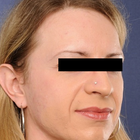
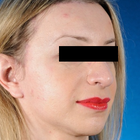
Half-side view
WHY US?
At Medijump, we're making medical easy. You can search, compare, discuss, and book your medical all in one place. We open the door to the best medical providers worldwide, saving you time and energy along the way, and it's all for FREE, no hidden fees, and no price markups guaranteed. So what are you waiting for?

Free

Best Price

Widest Selection

Risk-Free
What you need to know about Hairline Lowering Surgery in Delhi
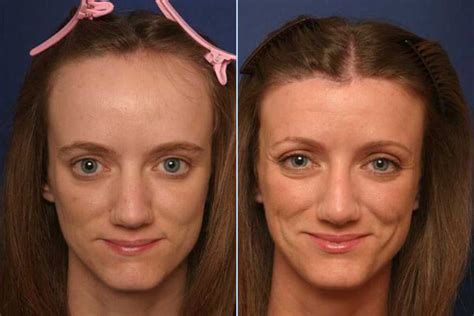
Also known as Forehead Reduction, Forehead Contouring or Scalp Advancement, Hairline Lowering Surgery allows patients to lower their frontal hairline, often lowering it by up to 2 inches. This procedure aims to reduce the distance between the hairline and the eyebrows, creating a more proportionate appearance. It is most commonly done on women with high hairlines, often the result of hair loss.
The procedure usually takes a couple of hours and is performed under general anesthetic. The new hairline is marked on the forehead, the surgeon will cut away this excess skin and the scalp is lowered to the new hairline. Incisions are strategically placed to minimize the visibility of the scar, making it virtually undetectable as it's covered by hair. It's common to combine hair lowering surgery with Facial Feminization Surgery (FFS). Contact a reputable clinic to ensure the best possible results.
What is the cost of Hairline Lowering Surgery in Delhi?
Before choosing a procedure, it is essential to understand the cost of a Hairline Lowering Surgery in Delhi. The cost might vary depending on a number of factors, including the complexity of the procedure, the surgeon's experience and reputation, and the facility. This approximate cost mostly covers the surgeon's fees, anaesthesia, required medical exams, and hospital or operation centre expenses. This is only a broad estimate, so when accounting for other charges, the exact prices might be higher. The ultimate cost may increase as a result of some factors, including consultation fees, outlays for post-operative care such medications, bandages, and follow-up consultations, as well as potential further surgeries to control complications or enhance outcomes.
It's important to keep in mind that Hairline Lowering Surgery is frequently regarded as a cosmetic surgery and may not be covered by conventional health insurance plans. It is best for the patient to speak with their insurance company before the procedure to understand the specific out-of-pocket costs they would have to pay. Some cosmetic surgery practises may provide financing options or payment plans to help patients manage the cost of the procedure.
What does a Hairline Lowering Surgery Procedure Involve?
Hairline lowering suregry is performed under local or general anesthesia. Before the operation begins, the surgeon draws an anticipated post-operative hairline. The surgery is performed according to this and an incision is made along the hairline. The excessive scalp is cut and removed and the rest is stretched to the new hairline. If this is not enough, tissue expanders are used to make it to the new hairline level. Sutures are used to fix the scalp to the bone and incisions are stitched with bandages being applied over the top.
The medical professional ensures that the incision marks are seamlessly concealed within the hairline, thereby reducing any visible traces of the procedure. Once the operation is concluded, the cut is stitched, and a gentle dressing is applied to shield the wound and diminish inflammation. It's important to understand that the intervention may lead to temporary loss of sensation or minor prickling around the area of incision, however, these symptoms tend to dissipate within several months.
How Long Should I Stay in Delhi for a Hairline Lowering Surgery Procedure?
Hairline lowering surgery is an outpatient procedure that takes around 1.5 to 2 hours to complete. After the effects of the sedation subside, you are allowed to leave. Still, you should aim to stay in Delhi for at least 6 days post-op. During this period, you will have a follow-up with the surgeon to check everything is healing as expected and the sutures are removed, usually after 5 to 6 days - this is when you're given the all-clear to travel home.
What's the Recovery Time for Hairline Lowering Surgery Procedures in Delhi?
It will take between 3 to 6 months to allow the regrowth of hair through the scar, which is important as it hides the scar. Recovery time varies from person to person and some people can get back to their normal routine even after 3 days. At least a week is usually required to get back to normal activities and you may find some swelling and bruising over your forehead in the early days. Pain is managed with painkillers and all symptoms subside after a couple of days. A numbing of the forehead is common and normal feeling usually returns after 3 to 5 days.
What sort of Aftercare is Required for Hairline Lowering Surgery Procedures in Delhi?
Aftercare following a Hairline Lowering Surgery is crucial to ensure a smooth recovery and minimization of potential complications. The following are some useful aftercare tips:
- Use icepacks in the initial days to help with inflammation and bruising. Ice is effective in reducing swelling immediately.
- Do not take anti-inflammatory medicines as they increase bleeding tendency.
- Continue taking painkillers prescribed by your doctor.
- Try not to look upwards and avoid frowning as this can be damaging to your stitches.
- Do not lift heavy objects.
- Keep your head a little higher whilst resting.
- Ensure that tight bandages have been applied over the wounds and replace regularly with fresh ones.
- Do not take a bath when the bandages are still intact as a wet bandage can be the cause of infection.
- Avoid strenuous activities such as the gym, running, swimming, etc. for at least 2 weeks after the surgery.
- Do not put hair bands or any other accessory on your head for some time.
- Do not drink or smoke as it will hinder the healing process.
- Ensure you have a diet rich in vitamin C as it makes the healing process faster.
What's the Success Rate of Hairline Lowering Surgery Procedures?
A Hairline Lowering Surgery frequently yields remarkable results, with a significant number of individuals expressing contentment with their post-procedure appearance. Nevertheless, outcomes may differ based on the medical institution or medical professional involved. With the possibility of the scar being visible with certain hairstyles, Hair Transplantation could be applied to further reduce the appearance of any scarring.
Notably, while Hairline Lowering Surgery tends to yield positive results for the majority, it might vary on an individual basis. Factors such as your unique hair growth pattern, scalp flexibility, and the overall state of your hair condition could all influence your final outcome. Therefore, maintaining ongoing communication with your medical professional and adhering to their recommendations both pre and post-treatment is crucial to optimising your results.
Are there Alternatives to Hairline Lowering Surgery Procedures in Delhi?
Surgery is not the only option. Consider these methods before opting for surgical treatment:
- Grafting hair (Hair Transplant): with this technique more hairs are grafted along your hairline instead of lowering it. This is also used for the thickening of your hair. A new layer of hair is grafted below your natural hairline. 1200 to 2400 hair strands are grafted. These hairs fall out after 3 weeks then regrow in 4 months. 10 months is required before you'll see the true longterm result. This is a non-surgical alternative to hairline lowering surgery and it is found to be very effective in reducing the size of your forehead.
- Hairstyling: You can hide a big forehead by styling your hair in such a manner. Of course, this is a non-surgical method. Choose those hairstyles which cover your forehead the most. Some people will use headscarves and hats to also hide their forehead.
What Should You Expect Before and After the Procedure?
A fundamental phase before proceeding with a Hairline Lowering Surgery in Delhi is the preliminary discussion with your medical expert. This interaction involves a comprehensive health evaluation, scrutiny of your medical background, and discussion of any medications you currently use by your expert. They will also perform an exhaustive examination of your scalp and hairline. This evaluation offers the medical professional an opportunity to decide if you're the perfect fit for the process. Moreover, they will deliberate on your anticipation and cosmetic objectives, ensuring they align with the realistic outcomes offered by Hairline Lowering Surgery.
Feeling slight discomfort, swelling, and bruising in the treated part is a normal sensation post a Hairline Lowering Surgery. It is vital to abide by the directives of your medical professional, which may involve keeping your cranium elevated and avoiding rigorous activities to manage these symptoms. For the initial few days succeeding the procedure, rest is essential, providing your body with time to recuperate. Your medical expert might recommend pain-relief therapy for discomfort management. Usually, stitches are taken out approximately one week after the surgery, and by this time, most people can get back to their work and routine activities. Regular follow-up sessions with your medical expert should be expected during the recovery span. These sessions offer your expert a chance to track your recovery progress, manage any prospective obstacles, and provide support during your healing period.
What are the Risks and Side Effects of Hairline Lowering Surgery in Delhi?
While side effects are usually minimal, they are important to think about. After the Hairline Lowering Surgery, you might feel some short-term side effects like swelling, pain, and bruising around the spot where you had the surgery. This is normal during healing and usually goes away in a few days. Numbness or tingling near the cut is also common after a Hairline Lowering Surgery. This happens because small nerves can be affected during the procedure. As your body recovers, these feelings should slowly lessen and finally go away.
Some people might notice hair loss, usually temporary, around the cut. This happens due to the stress on the hair roots during the procedure. However, this kind of hair loss usually doesn't last more than a few months, and new hair will start to grow. More serious risks include infection, heavy bleeding, or bad reactions to the anesthesia. While these problems are rare, they need immediate medical help. To reduce these risks, it's crucial to pick a good surgeon and follow their before and after care instructions.
Whilst the information presented here has been accurately sourced and verified by a medical professional for its accuracy, it is still advised to consult with your doctor before pursuing a medical treatment at one of the listed medical providers
No Time?
Tell us what you're looking for and we'll reachout to the top clinics all at once
Enquire Now

Popular Procedures in Delhi
Prices Start From $136

Prices Start From $4
Prices Start From $126
Recommended Medical Centers in Delhi for procedures similar to Hairline Lowering Surgery

- Interpreter services
- Translation service
- Religious facilities
- Medical records transfer
- Medical travel insurance
- Health insurance coordination
- TV in the room
- Safe in the room
- Phone in the room
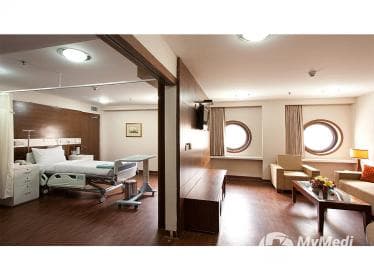
- Private rooms for patients available
- Interpreter services
- Translation service
- Religious facilities
- Medical records transfer
- Medical travel insurance
- Health insurance coordination
- TV in the room
- Safe in the room
- Phone in the room
- Private rooms for patients available

- Interpreter services
- Translation service
- Religious facilities
- Medical records transfer
- Medical travel insurance
- Health insurance coordination
- TV in the room
- Safe in the room
- Phone in the room
- Private rooms for patients available

- Interpreter services
- Translation service
- Religious facilities
- Medical records transfer
- Medical travel insurance
- Health insurance coordination
- TV in the room
- Safe in the room
- Phone in the room
- Private rooms for patients available
- Interpreter services
- Translation service
- Religious facilities
- Medical records transfer
- Medical travel insurance
- Health insurance coordination
- TV in the room
- Safe in the room
- Phone in the room
- Private rooms for patients available
- Interpreter services
- Translation service
- Religious facilities
- Medical records transfer
- Medical travel insurance
- Health insurance coordination
- TV in the room
- Safe in the room
- Phone in the room
- Private rooms for patients available
- Interpreter services
- Translation service
- Religious facilities
- Medical records transfer
- Medical travel insurance
- Health insurance coordination
- TV in the room
- Safe in the room
- Phone in the room
- Private rooms for patients available

- Interpreter services
- Translation service
- Religious facilities
- Medical records transfer
- Medical travel insurance
- Health insurance coordination
- TV in the room
- Safe in the room
- Phone in the room
- Private rooms for patients available
- Interpreter services
- Translation service
- Religious facilities
- Medical records transfer
- Medical travel insurance
- Health insurance coordination
- TV in the room
- Safe in the room
- Phone in the room
- Private rooms for patients available
- Interpreter services
- Translation service
- Religious facilities
- Medical records transfer
- Medical travel insurance
- Health insurance coordination
- TV in the room
- Safe in the room
- Phone in the room
- Private rooms for patients available