 USD $
USD $

Full Body CT Scan in Tokyo
Search and Compare the Best Clinics and Doctors at the Lowest Prices for Full Body CT Scan in Tokyo


Find the best clinics for Full Body CT Scan in Tokyo
No clinics available
United Kingdom offers the best prices Worldwide
Price: $ 23

WHY US?
At Medijump, we're making medical easy. You can search, compare, discuss, and book your medical all in one place. We open the door to the best medical providers worldwide, saving you time and energy along the way, and it's all for FREE, no hidden fees, and no price markups guaranteed. So what are you waiting for?

Free

Best Price

Widest Selection

Risk-Free
What you need to know about Full Body CT Scan in Tokyo
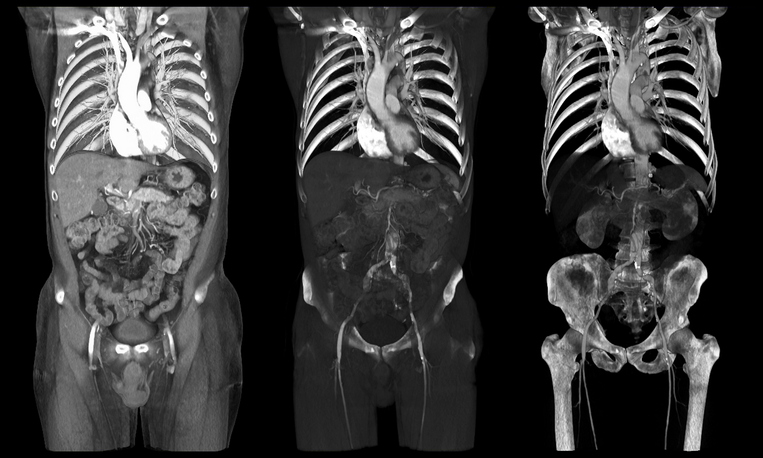
A computerized tomography (CT) scan, sometimes referred to as computerized axial tomography (CAT) scan, is a type of imaging test that uses a combination of sophisticated X-ray technology and a computer to create cross-sectional images of the body. The images produced show more detail than a regular X-ray and can show blood vessels, bones, and soft tissues in various parts of the body. The scan can help your doctor detect a variety of diseases and conditions. In a full-body CT scan, the test is used to visualize virtually all parts of the body.
A full-body CT scan can analyze three major areas of the body: the heart, the lungs, and the abdomen. This test is commonly used on those who already have cancer, to see if it has spread to other parts of the body. It is also helpful in an emergency situation to help your doctor examine a major injury. Besides, the test can be used to:
-
Diagnose disorders of the muscle and the bone, such as fractures and bone tumors
-
Pinpoint the exact location of an infection, blood clot, or tumor
-
Detect and monitor diseases and conditions that may be present in your body
-
Detect internal bleeding and internal injuries.
Your doctor may also recommend a full-body CT scan if you are at a high risk of lung cancer.
What does a Full Body CT Scan Procedure Involve?
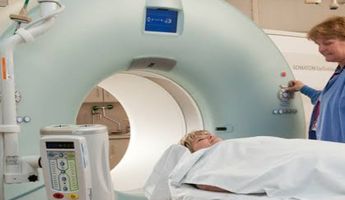
During a full-body CT scan, you will have to lie flat on your back on a motorized table that can slide through the doughnut-shaped CT scanner machine. Straps, pillows, and a special cradle may be used to help you stay in the correct position and remain still during the exam. In some cases, a contrast material may be used. It will be injected through an intravenous line (IV) or swallowed.
To determine the correct position for the scans, the table will move quickly through the scanner. Then, during the actual CT scanning, the table will move slowly through the machine and it may take several passes. When the motorized table moves you into the machine, the X-ray tube and detectors will rotate around you. Several images of thin slices of your body are taken in each rotation. The images are then sent to a computer, where they are combined to
The radiographer will operate the machine from a separate room. They can see and hear you, and you will be able to communicate with them during the scan via intercom. They may ask you to hold your breath at certain parts of the scan because you need to stay completely still. Any motion, including body movements and breathing, can blur the scan images. The radiographer may also lower, raise, or tilt the table to create the correct angle for the X-rays.
No anesthesia is involved in a full-body CT scan as it is not painful. However, children who cannot stay still may be sedated.
How Long Should I Stay in Tokyo for a Full Body CT Scan Procedure?
You may be allowed to leave the hospital on the same day as your full-body CT scan. However, since the results will not be given to you immediately, it is advisable that you stay in Tokyo for 5 to 7 days, or until the results are ready. Once the results are ready, you will have to attend a follow-up appointment to discuss them with your doctor.
What's the Recovery Time for Full Body CT Scan Procedures in Tokyo?
Full-body CT scans do not require any recovery time. You can return to your daily activities, go to work, drink, drive, eat, and drink as normal straight away.
What sort of Aftercare is Required for Full Body CT Scan Procedures in Tokyo?
If a contrast material is used, you will have to drink lots of fluids to help your kidneys flush out the contrast material from your body. If not, there are no restrictions or special aftercare following the procedure.
What's the Success Rate of Full Body CT Scan Procedures in Tokyo?
A full-body CT scan has the potential to be inaccurate. A cancer diagnosis based on a CT scan has up to 30% inaccuracy rates. In addition, the procedure is not recommended for those without symptoms.
A full-body CT scan carries some potential risks. During the procedure, your body will be exposed to ionizing radiation. While low doses of radiation in the procedure have not been revealed to cause any harm in the long-term, much greater doses may slightly increase your risk of cancer. The procedure can also harm unborn babies. Therefore, make sure to tell your doctor if you are pregnant.
In some cases, the contrast material can cause allergic reactions, which may result in a rash or itchiness.
Are there Alternatives to Full Body CT Scan Procedures in Tokyo?
Magnetic Resonance Imaging (MRI) scans is the main alternative to a full-body CT scan. MRI scans are currently being evaluated for their possible value in screening. One major benefit of the procedure is that they do not expose you to ionizing radiation. However, they tend to be more expensive than a full-body CT scan.
What Should You Expect Before and After the Procedure
Before a full-body CT scan, you may experience unexplained symptoms or have a high risk of developing certain diseases. After the procedure, your doctor should find out if there are any abnormalities present in your body. If they do find an abnormality, they may order more imaging procedures to confirm their diagnosis or discuss the best treatment/management plan for you.
Whilst the information presented here has been accurately sourced and verified by a medical professional for its accuracy, it is still advised to consult with your doctor before pursuing a medical treatment at one of the listed medical providers
No Time?
Tell us what you're looking for and we'll reachout to the top clinics all at once
Enquire Now

Popular Procedures in Tokyo
Prices Start From $42
Prices Start From $4
Prices Start From $11
Prices Start From $11
Recommended Medical Centers in Tokyo for procedures similar to Full Body CT Scan

- Interpreter services
- Translation service
- Religious facilities
- Medical records transfer
- Medical travel insurance
- Health insurance coordination
- TV in the room
- Safe in the room
- Phone in the room
- Private rooms for patients available

- Interpreter services
- Translation service
- Religious facilities
- Medical records transfer
- Medical travel insurance
- Health insurance coordination
- TV in the room
- Safe in the room
- Phone in the room
- Private rooms for patients available

- Interpreter services
- Translation service
- Religious facilities
- Medical records transfer
- Medical travel insurance
- Health insurance coordination
- TV in the room
- Safe in the room
- Phone in the room
- Private rooms for patients available
- Interpreter services
- Translation service
- Religious facilities
- Medical records transfer
- Medical travel insurance
- Health insurance coordination
- TV in the room
- Safe in the room
- Phone in the room
- Private rooms for patients available

- Interpreter services
- Translation service
- Religious facilities
- Medical records transfer
- Medical travel insurance
- Health insurance coordination
- TV in the room
- Safe in the room
- Phone in the room
- Private rooms for patients available
- Interpreter services
- Translation service
- Religious facilities
- Medical records transfer
- Medical travel insurance
- Health insurance coordination
- TV in the room
- Safe in the room
- Phone in the room
- Private rooms for patients available
- Interpreter services
- Translation service
- Religious facilities
- Medical records transfer
- Medical travel insurance
- Health insurance coordination
- TV in the room
- Safe in the room
- Phone in the room
- Private rooms for patients available

- Interpreter services
- Translation service
- Religious facilities
- Medical records transfer
- Medical travel insurance
- Health insurance coordination
- TV in the room
- Safe in the room
- Phone in the room
- Private rooms for patients available