 USD $
USD $

Bone Marrow Aspiration in Metro Manila
Search and Compare the Best Clinics and Doctors at the Lowest Prices for Bone Marrow Aspiration in Metro Manila



Find the best clinics for Bone Marrow Aspiration in Metro Manila
No clinics available

WHY US?
At Medijump, we're making medical easy. You can search, compare, discuss, and book your medical all in one place. We open the door to the best medical providers worldwide, saving you time and energy along the way, and it's all for FREE, no hidden fees, and no price markups guaranteed. So what are you waiting for?

Free

Best Price

Widest Selection

Risk-Free
What do you need to know about Bone Marrow Aspiration in Metro Manila?
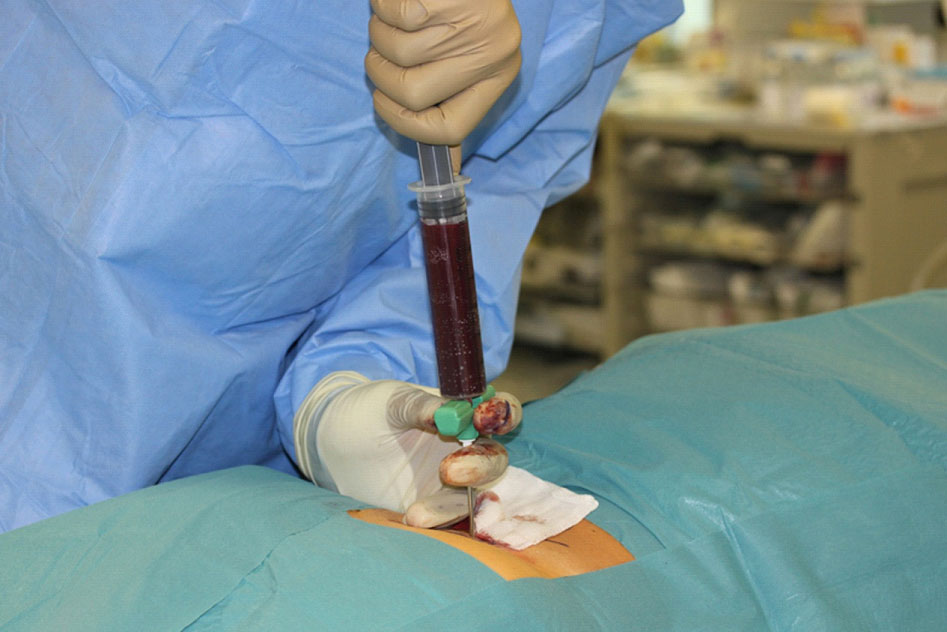
Bone Marrow Aspiration is a crucial medical procedure that is employed to diagnose and monitor a variety of health conditions. It comprises the extraction of a small quantity of bone marrow, which is the soft tissue located inside larger bones, for diagnostic purposes. This procedure primarily aids healthcare professionals in determining if your body is producing healthy blood cells.
The procedure also assists in detecting if any abnormal cells are present in the marrow. To get a clear understanding of what to anticipate, it's vital to seek medical counsel from a trusted clinic. It's important to understand that the procedure itself is generally not painful due to the use of anesthesia to mitigate discomfort. Preparations for the procedure often include fasting for several hours prior to the procedure.
What is the cost of Bone Marrow Aspiration in Metro Manila?
The expense of undergoing the Bone Marrow Aspiration in Metro Manila is subject to variations, influenced by various factors such as the patient's health status, the geographical position of the clinic, and the proficiency of the surgeon. While insurance providers may cover part of the procedure's cost, this depends heavily on the specifics of your insurance agreement. Despite the potential high cost, it's necessary to keep in mind that this procedure plays an important role as a diagnostic instrument capable of detecting severe health conditions at their beginning.
When contemplating the cost, it's also worth considering the reassurance this procedure provides. Early detection of diseases can greatly amplify the effectiveness of treatments, possibly decreasing your future healthcare costs. It's recommended to have a dialogue with your healthcare provider about any financial concerns to discern what resources are accessible to alleviate any monetary strain.
What does a Bone Marrow Aspiration Procedure Involve?
The Bone Marrow Aspiration requires a small sample of bone marrow to be obtained for analysis. An anesthetic is applied locally by the doctor to minimize discomfort prior to making a slight incision, typically in the area of the hip bone. A specially designed needle is then utilized to extract the marrow. While the operation may cause minor discomfort, it's usually short-lived, and measures are taken to alleviate any discomfort.
Following extraction, the bone marrow is sent to a lab for evaluation to identify any irregularities that could indicate a health problem. The objective of this process is to gather crucial information for a precise diagnosis and suitable treatment strategy. This procedure is highly effective in diagnosing severe blood-related diseases and conditions.
How Long Should I Stay in Metro Manila for a Bone Marrow Aspiration Procedure?
A Bone Marrow Aspiration generally happens on an outpatient basis, meaning there may not be a necessity for an overnight stay in Metro Manila post-procedure. Patients are typically allowed to leave the hospital or clinic shortly after the treatment is completed. Depending on your overall health condition and the results of the procedure, your healthcare provider might suggest a short period of rest or observation.
However, it is prudent to plan for a brief stay in the event of unanticipated circumstances or complications. It would be useful to consult with your doctor about the estimated recovery time in Metro Manila. Above all, it's vital to ensure you have plenty of time to rest and recuperate post-procedure, particularly before undertaking a long journey home.
What's the Recovery Time for Bone Marrow Aspiration Procedures in Metro Manila?
The recuperation period following a Bone Marrow Aspiration is typically brief. Subsequent to the procedure, you might feel slight discomfort and tenderness at the site of aspiration, which can be easily alleviated with common painkillers. Usually, it's possible to resume your usual activities within a few days. Nonetheless, it's essential to be aware of your body's signals during the recuperation stage. If you encounter severe pain or symptoms such as fever or prolonged bleeding from the aspiration site, it's imperative to notify your healthcare provider promptly. Incorporating healthy dietary habits and regular physical exercise into your routine can also contribute to enhancing your recovery.
What sort of Aftercare is Required for Bone Marrow Aspiration Procedures?
Post-care following a Bone Marrow Aspiration is generally uncomplicated. Upon completion of the procedure, your medical team will provide instructions on how to look after the aspiration site to alleviate discomfort and avert infection. This usually entails maintaining the area sanitary and dry for a duration of 24-48 hours post-procedure. If discomfort persists or other symptoms arise, your doctor might suggest using over-the-counter analgesics or other medications.
Further follow-up appointments might be arranged to go over the results of the procedure and discuss the potential treatment options based on these findings. Establishing open communication with your healthcare team is of paramount importance, ensuring any queries or concerns are promptly addressed and you feel assured in your treatment path.
What's the Success Rate of Bone Marrow Aspiration Procedures?
Bone Marrow Aspiration operations carry a high rate of success with minimal complications when performed by seasoned healthcare professionals. The procedure's "success" is principally determined by its effectiveness in obtaining an adequate quantity of bone marrow for scrutiny, and in supplying precise diagnostic data. That said, like all medical procedures, the Bone Marrow Aspiration does carry certain risks. These might include infection, ongoing bleeding, or discomfort at the site of aspiration. However, these risks are rare, and the medical team will undertake necessary measures to mitigate them, contributing to the procedure's overall high rate of success.
Are there Alternatives to Bone Marrow Aspiration?
Although the Bone Marrow Aspiration is an important diagnostic instrument, there are other techniques for detecting blood diseases and cancers. These other options can include blood examinations, imaging scans, and biopsies of various tissues. However, the decision on which diagnostic tool to use is reliant on several aspects, including the suspected illness and its phase. Your healthcare provider will decide on the most suitable diagnostic method based on your specific health condition.
Despite this, it's vital to remember that these alternatives may not offer the comprehensive details that a Bone Marrow Aspiration can yield. This procedure is distinct in its capacity to scrutinize bone marrow, a fundamental component of blood creation. Consequently, it remains a crucial aspect of diagnosing and observing conditions that affect blood and bone marrow.
What Should You Expect Before and After the Procedure
Before the Bone Marrow Aspiration, your healthcare provider will provide a detailed explanation of the procedure, address any inquiries or worries you may have, and gather a comprehensive account of your medical history. It's important to inform your physician about any medications you're taking, as some may need to be discontinued prior to the procedure. On the day of the operation, you'll be required to wear a hospital gown, and an IV line may be established for the administration of medicines.
After the procedure, you might experience slight tenderness at the aspiration site for a few days. Discomfort can be managed with over-the-counter painkillers. The results of the procedure are usually ready within a few days, at which point your doctor will discuss them with you and any necessary treatment plans. During recovery, it's crucial to prioritize your health; adopting habits like regular exercise and a balanced diet can improve your overall wellbeing.
What are the Risks Associated with Bone Marrow Aspiration in Metro Manila?
Like any medical procedure, the Bone Marrow Aspiration comes with certain risks, albeit minimal. These can include minor pain or discomfort at the aspiration site, infection, excessive bleeding, or an allergic reaction to the local anesthetic. In rare cases, long-term pain or nerve damage can occur .
However, the procedure is usually well-tolerated, and serious complications are rare, especially when performed by experienced medical professionals. The healthcare team in Metro Manila will discuss all potential risks and benefits with you prior to the procedure, and take all necessary precautions to minimize risk. It's also important to follow all given aftercare instructions to promote healing and minimize risk of complications after the procedure. If you have any concerns, discuss them with your healthcare provider .
How is the Quality of Life After Bone Marrow Aspiration in Metro Manila?
Considering that the Bone Marrow Aspiration is a diagnostic method rather than a treatment, it doesn't directly impact the quality of life. However, the information obtained from this procedure can play a crucial role in devising an effective treatment strategy for a variety of health conditions. Accurate identification of the issue allows doctors to prescribe the most appropriate treatments, thereby enhancing health outcomes and the quality of life for patients.
Moreover, the recuperation period following this procedure is usually quick and unremarkable for the majority of patients. Adhering to aftercare guidelines can minimize any discomfort and facilitate a rapid return to everyday activities. A timely and effective diagnosis can alleviate unnecessary stress and anxiety, empowering patients to concentrate on their health and wellbeing. Open communication with your healthcare team and comprehending the process can help reduce any concerns and contribute to improved quality of life post-procedure.
Whilst the information presented here has been accurately sourced and verified by a medical professional for its accuracy, it is still advised to consult with your doctor before pursuing a medical treatment at one of the listed medical providers
No Time?
Tell us what you're looking for and we'll reachout to the top clinics all at once
Enquire Now

Popular Procedures in Metro Manila
Prices Start From $273

Prices Start From $6
Price on Request
Prices Start From $581
Recommended Medical Centers in Metro Manila for procedures similar to Bone Marrow Aspiration

- Interpreter services
- Translation service
- Religious facilities
- Medical records transfer
- Medical travel insurance
- Health insurance coordination
- TV in the room
- Safe in the room
- Phone in the room
- Private rooms for patients available

- Interpreter services
- Translation service
- Religious facilities
- Medical records transfer
- Medical travel insurance
- Health insurance coordination
- TV in the room
- Safe in the room
- Phone in the room
- Private rooms for patients available

- Interpreter services
- Translation service
- Religious facilities
- Medical records transfer
- Medical travel insurance
- Health insurance coordination
- TV in the room
- Safe in the room
- Phone in the room
- Private rooms for patients available

- Interpreter services
- Translation service
- Religious facilities
- Medical records transfer
- Medical travel insurance
- Health insurance coordination
- TV in the room
- Safe in the room
- Phone in the room
- Private rooms for patients available

- Interpreter services
- Translation service
- Religious facilities
- Medical records transfer
- Medical travel insurance
- Health insurance coordination
- TV in the room
- Safe in the room
- Phone in the room
- Private rooms for patients available

- Interpreter services
- Translation service
- Religious facilities
- Medical records transfer
- Medical travel insurance
- Health insurance coordination
- TV in the room
- Safe in the room
- Phone in the room
- Private rooms for patients available

- Interpreter services
- Translation service
- Religious facilities
- Medical records transfer
- Medical travel insurance
- Health insurance coordination
- TV in the room
- Safe in the room
- Phone in the room
- Private rooms for patients available

- Interpreter services
- Translation service
- Religious facilities
- Medical records transfer
- Medical travel insurance
- Health insurance coordination
- TV in the room
- Safe in the room
- Phone in the room
- Private rooms for patients available

- Interpreter services
- Translation service
- Religious facilities
- Medical records transfer
- Medical travel insurance
- Health insurance coordination
- TV in the room
- Safe in the room
- Phone in the room
- Private rooms for patients available

- Interpreter services
- Translation service
- Religious facilities
- Medical records transfer
- Medical travel insurance
- Health insurance coordination
- TV in the room
- Safe in the room
- Phone in the room
- Private rooms for patients available