 USD $
USD $

Artificial Disc Replacement in Romania
Search and Compare the Best Clinics and Doctors at the Lowest Prices for Artificial Disc Replacement in Romania


Find the best clinics for Artificial Disc Replacement in Romania
No clinics available
Tunisia offers the best prices Worldwide
Price: $ 3,084

WHY US?
At Medijump, we're making medical easy. You can search, compare, discuss, and book your medical all in one place. We open the door to the best medical providers worldwide, saving you time and energy along the way, and it's all for FREE, no hidden fees, and no price markups guaranteed. So what are you waiting for?

Free

Best Price

Widest Selection

Risk-Free
What you need to know about Artificial Disc Replacement in Romania
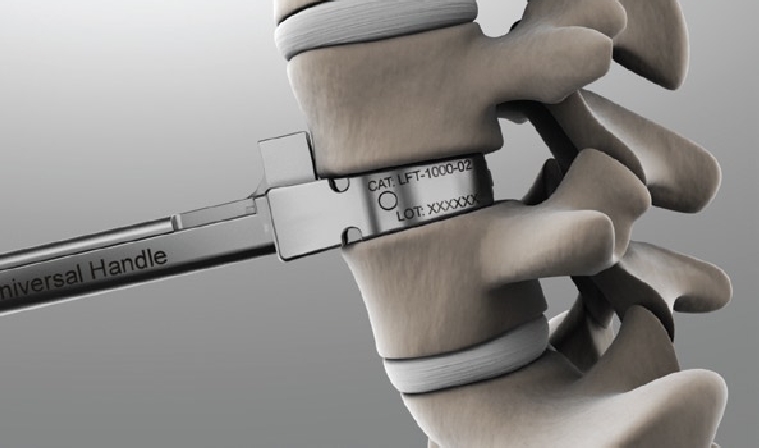
The medical procedure known as artificial disc replacement involves the extraction of a deteriorated or damaged disc nestled between the petite bones of the spine (vertebrae), which is then substituted with an artificially engineered disc. The operation has the ability to alleviate back discomfort, all while retaining your ordinary mobility. Customarily, this intervention is suggested for individuals experiencing persistent low back pain that has remained unresponsive to non-surgical treatment options such as chiropractic adjustments, medication, injections, or physical therapy.
What is the cost of Artificial Disc Replacement in Romania?
Artificial Disc Replacement costs in Romania can significantly fluctuate, influenced by aspects like professional surgeon charges, duration of hospital admission, and the distinct kind of artificial disc chosen. It's important to include monetary aspects in your decision-making procedure, yet it's equally critical to juxtapose expenses with gains such as minimized discomfort, augmented functionality, and general mental wellbeing.
The primary motivation behind choosing to undertake the Artificial Disc Replacement is to enhance your life quality by diminishing pain and amplifying mobility. Therefore, when evaluating expenses, it's also crucial to take into account the potential benefits you stand to gain from the procedure. Different insurance providers have varying policies regarding coverage for the Artificial Disc Replacement. This necessitates having an in-depth conversation with your insurer prior to locking in the operation date.
What does a Artificial Disc Replacement Procedure Involve?
The medical intervention known as Artificial Disc Replacement centers around substituting a damaged or deteriorating disc with an artificially fabricated one. The operation conventionally executes three stages. Initially, an incision is crafted on the patient's neck or back, contingent on the damage disc's location. Following this, the troublesome disc is cautiously removed, and finally, the man-made disc is implanted into the exact position.
How Long Should I Stay in Romania for a Artificial Disc Replacement Procedure?
Your stay in Romania for the Artificial Disc Replacement will mostly depend on your surgery needs and recovery speed. Typically, patients need to be in the hospital for about three days after the surgery. That's why planning to spend around 7 to 14 days in Romania is a good idea. You have to go back for follow-up visits where your surgeon checks your healing and takes out your stitches. Always have good communication with your healthcare provider for a smooth and fast recovery.
What's the Recovery Time for Artificial Disc Replacement Procedures in Romania?
Rehabilitation time varies, spanning from several weeks to multiple months. You should anticipate regaining work capacity and resuming light tasks within three to four weeks. However, a more extended period is necessary before returning to full-scale activities, including exercise and heavy lifting. Remember, the specific healing timeline will hinge on factors such as your age, health status, and the exact surgery performed.
Well-structured rehabilitation schemes and strict adherence to post-surgery guidelines greatly enhance recovery. In this recovery phase, patients embark on a step-by-step program of increased physical activity. This encompasses designated exercises aimed at fortifying the muscles in the back and preserving spinal flexibility.
What sort of Aftercare is Required for Artificial Disc Replacement Procedures in Romania?
Post-operative care following a Artificial Disc Replacement in Romania is crucial for the surgery's success. This aftercare, tailored to each case, could entail particular drugs, physical therapy, and lifestyle modifications such as embracing a nutritious diet and regular exercise. It's equally important to refrain from strenuous tasks and heavy lifting in the weeks post-surgery, facilitating effective healing.
You may be encouraged to stand and walk within the first day following the surgery. Your surgeon will show you how to move properly and how to do exercises at home, such as gentle trunk twists. Make sure you continue to have regular exercise and eat a healthy diet after you recover to maintain your new disc.
What's the Success Rate of Artificial Disc Replacement Procedures in Romania?
Thanks to skilled surgeons and state-of-the-art technology, the success rate of Artificial Disc Replacement in Romania is remarkably high. Positivity is frequently indicated by improvements in mobility, pain relief, and return to daily activities. After this surgery, more than 80% of patients successfully return to their usual lifestyles. However, a number of variables, including your general health, age, and any current medical issues, can affect how well the Artificial Disc Replacement goes overall.
Although this process normally yields trustworthy results, individual outcomes may differ. The total success rate can be considerably increased by keeping up with routine doctor's appointments and strictly adhering to the post-operative care plan.
Are there Alternatives to Artificial Disc Replacement Procedures in Romania?
In Romania, there are in fact alternatives to Artificial Disc Replacement processes. Alternatives to surgery could be non-surgical procedures including painkillers, nerve block injections, and physical therapy, according to Healthline. Another option for some people may be spinal fusion surgery, which involves joining two or more vertebrae to stop the source of discomfort.
Although spinal fusion and non-surgical procedures can be helpful in some circumstances, they might not be appropriate for everyone. In some cases, the Artificial Disc Replacement is the best option because it is a highly advanced operation that maintains spinal mobility. As always, the best course of action should be chosen after carefully assessing the benefits and dangers in conjunction with a highly qualified medical expert.
What Should You Expect Before and After the Procedure
Before and after the operation, patients can anticipate receiving a comprehensive description of the Artificial Disc Replacement procedure in Romania. You will first have a consultation during which your health will be thoroughly examined and the specifics of the procedure will be thoroughly discussed. All pertinent information, including any potential advantages, hazards, and alternatives, will be given by your healthcare provider. Additionally, they promote your comfort and help you manage anticipation stress by providing any clarifications you might need to make an informed decision.
Following the treatment, patients are closely watched during a brief hospital stay that typically lasts one to two days. They are then released from the hospital with clear instructions to aid in their recuperation. Regular follow-up visits identify any possible problems early and guarantee a prompt treatment. Physical therapy is a crucial component of the aftercare strategy, fostering a gradual return to regular activities while strengthening your back muscles and preserving spinal flexibility.
What are the potential risks of Artificial Disc Replacement?
Procedures for "TreatmentProcedure" do include some risk. There are potential risks associated with surgery, just like with other procedure. However, these risks are negligible because of the high standard of care and advances in technology. Prior to opting to have the operation, it is essential to go over any risks with your doctor. They will offer a thorough overview of the potential issues and how to deal with them. Pain alleviation and increased mobility frequently outweigh any possible hazards.
If issues do arise, they could involve disc displacement, nerve injury, infection, or an allergic reaction to the artificial disc. It is extremely necessary to carefully monitor your symptoms and recovery after the treatment. Instead of waiting for your follow-up appointment, speak with your healthcare practitioner right away if you have any concerns. Despite the fact that these dangers might seem overwhelming, you can relax knowing that you're in safe hands and that the Artificial Disc Replacement actually changes lives by reducing chronic back pain.
What is the lifespan of the artifical disc used in Artificial Disc Replacement?
Medical experts and manufacturers expect that the artificial discs used in Artificial Disc Replacement can last somewhere between 15 and 20 years, largely because of the premium materials utilised in their manufacturing. It is advised to talk to your surgeon about the anticipated lifespan of the artificial disc during your preoperative appointment. They might also provide you useful advice on healthy behaviours and lifestyle changes that can lengthen the life of the artificial disc.
Whilst the information presented here has been accurately sourced and verified by a medical professional for its accuracy, it is still advised to consult with your doctor before pursuing a medical treatment at one of the listed medical providers
No Time?
Tell us what you're looking for and we'll reachout to the top clinics all at once
Enquire Now

Popular Procedures in Romania
Prices Start From $2,120

Prices Start From $100
Prices Start From $200
Recommended Medical Centers in Romania for procedures similar to Artificial Disc Replacement
- Interpreter services
- Translation service
- Religious facilities
- Medical records transfer
- Medical travel insurance
- Health insurance coordination
- TV in the room
- Safe in the room
- Phone in the room
- Private rooms for patients available

- Interpreter services
- Translation service
- Religious facilities
- Medical records transfer
- Medical travel insurance
- Health insurance coordination
- TV in the room
- Safe in the room
- Phone in the room
- Private rooms for patients available
- Interpreter services
- Translation service
- Religious facilities
- Medical records transfer
- Medical travel insurance
- Health insurance coordination
- TV in the room
- Safe in the room
- Phone in the room
- Private rooms for patients available
- Interpreter services
- Translation service
- Religious facilities
- Medical records transfer
- Medical travel insurance
- Health insurance coordination
- TV in the room
- Safe in the room
- Phone in the room
- Private rooms for patients available
- Interpreter services
- Translation service
- Religious facilities
- Medical records transfer
- Medical travel insurance
- Health insurance coordination
- TV in the room
- Safe in the room
- Phone in the room
- Private rooms for patients available

- Interpreter services
- Translation service
- Religious facilities
- Medical records transfer
- Medical travel insurance
- Health insurance coordination
- TV in the room
- Safe in the room
- Phone in the room
- Private rooms for patients available
- Interpreter services
- Translation service
- Religious facilities
- Medical records transfer
- Medical travel insurance
- Health insurance coordination
- TV in the room
- Safe in the room
- Phone in the room
- Private rooms for patients available

- Interpreter services
- Translation service
- Religious facilities
- Medical records transfer
- Medical travel insurance
- Health insurance coordination
- TV in the room
- Safe in the room
- Phone in the room
- Private rooms for patients available

- Interpreter services
- Translation service
- Religious facilities
- Medical records transfer
- Medical travel insurance
- Health insurance coordination
- TV in the room
- Safe in the room
- Phone in the room
- Private rooms for patients available

- Interpreter services
- Translation service
- Religious facilities
- Medical records transfer
- Medical travel insurance
- Health insurance coordination
- TV in the room
- Safe in the room
- Phone in the room
- Private rooms for patients available